After 30 days, you should know if an AE is going to make it

Leadership
Who is it for?
Sales leaders and CROs managing AE hiring and onboarding.
When to use?
When a new AE is in their first month and you need to know whether early warning signs are real - or a reflection of your own onboarding.
2026-07-06
Most sales managers treat the first 30 days as a test of the new AE. It is equally a test of the company. By day 30 you cannot know if they will hit quota, but you can know whether they are learning, building pipeline, and responding to coaching - and whether your onboarding gave them a fair chance.
After 30 days, you cannot know whether a new AE will hit quota. In enterprise sales they may not even have had a meaningful opportunity to close.
But you can learn most of the other things that matter.
Are they learning quickly? Are they trying to create pipeline? Do they want feedback? Are they champing at the bit to get in front of customers?
In order to do this well, you have to have enabled them effectively. It's easy to think the first 30 days are a test of the AE, but often it is equally a test of the company.
What should the AE be doing?
Learning!!!
Can they explain the problems you solve and the customers you solve them for? Do they understand why customers buy, why you lose and why prospects choose to do nothing? Are their questions getting better as they learn more?
Strong AEs will often move through the material quickly. That is a positive sign, provided they are actually learning it. Make sure you test it, both formally through roleplays (which can be AI managed) and informally through regular observation of the questions they are asking?
Then there is pipeline.
Whether AEs should make their own cold calls depends on your business. But every AE should be working out where their opportunities will come from.
By the end of the first month, they should have clarity on the companies they want to target and the individuals who matter within them. They should understand why those companies might care and where they have a credible route in.
Are they contacting relevant former colleagues? Asking for introductions? Finding reasons to speak to prospects? Asking how soon they can join calls or start running their own?
The best new AEs are impatient to get going.
The last key point: how do they respond to coaching? Do they take feedback on board thoughtfully? Does their behaviour change? If the same problem appears repeatedly, despite clear coaching, that a very red flag.
What should the company be doing?
If that is what you expect from the AE, you have to give them what they need to achieve it.
Have you explained the reality of how customers buy, rather than just the official sales process? They need to hear calls from successful ops, unsuccessful ops and deals that disappeared. They need to understand where the product is strong, where competitors beat you and which objections are genuine.
Let them speak to experienced AEs, product specialists, customer success and, where possible, customers. You may have lots of great documents, but while that's useful, they are not an onboarding process.
AEs need to practise. Let them shadow calls, role-play difficult conversations (with colleagues, with management, and with AI) and gradually take responsibility for real meetings. Their manager needs to listen and provide specific feedback, immediately after calls.
Pipeline enablement matters just as much.
Have you given them a sensible territory, accurate data and examples of good target accounts? Do they know which personas to approach and which messages have actually created engagement? Is it clear what Marketing and BDRs will provide, and what the AE must create themselves?
I have seen many cases where an AE is effectively given a blank spreadsheet and told to build a territory plan. Unfortunately, that's not really empowerment!
Finally, managers need to make time for onboarding. If the manager is constantly cancelling coaching sessions because something more urgent has appeared, the company is teaching the AE exactly how important their development really is.
How to review the first 30 days
Review the evidence.
What can the AE now do without help?
Where are they making rapid progress?
Where was support available but the AE failed to use it?
Where is the AE trying to progress but the company has not enabled them?
What does each side need to do during the next 30 days?
Do not wait until day 30 to have this conversation. Review it after ten and twenty days as well. Problems with access, learning or expectations are normally much easier to fix when they are identified early.
Sometimes the conclusion will be that you hired the wrong person. Sometimes it will be that your onboarding is poor. Often there will be improvements required from both sides.
The purpose of the first 30 days is to find out which it is while there is still plenty of time to do something about it.
If this was useful, stay close to the thinking.
Get practical GTM insights and strategic breakdowns in your inbox. Weekly.
Related Posts
GTM & Strategy, Leadership
2026-08-10
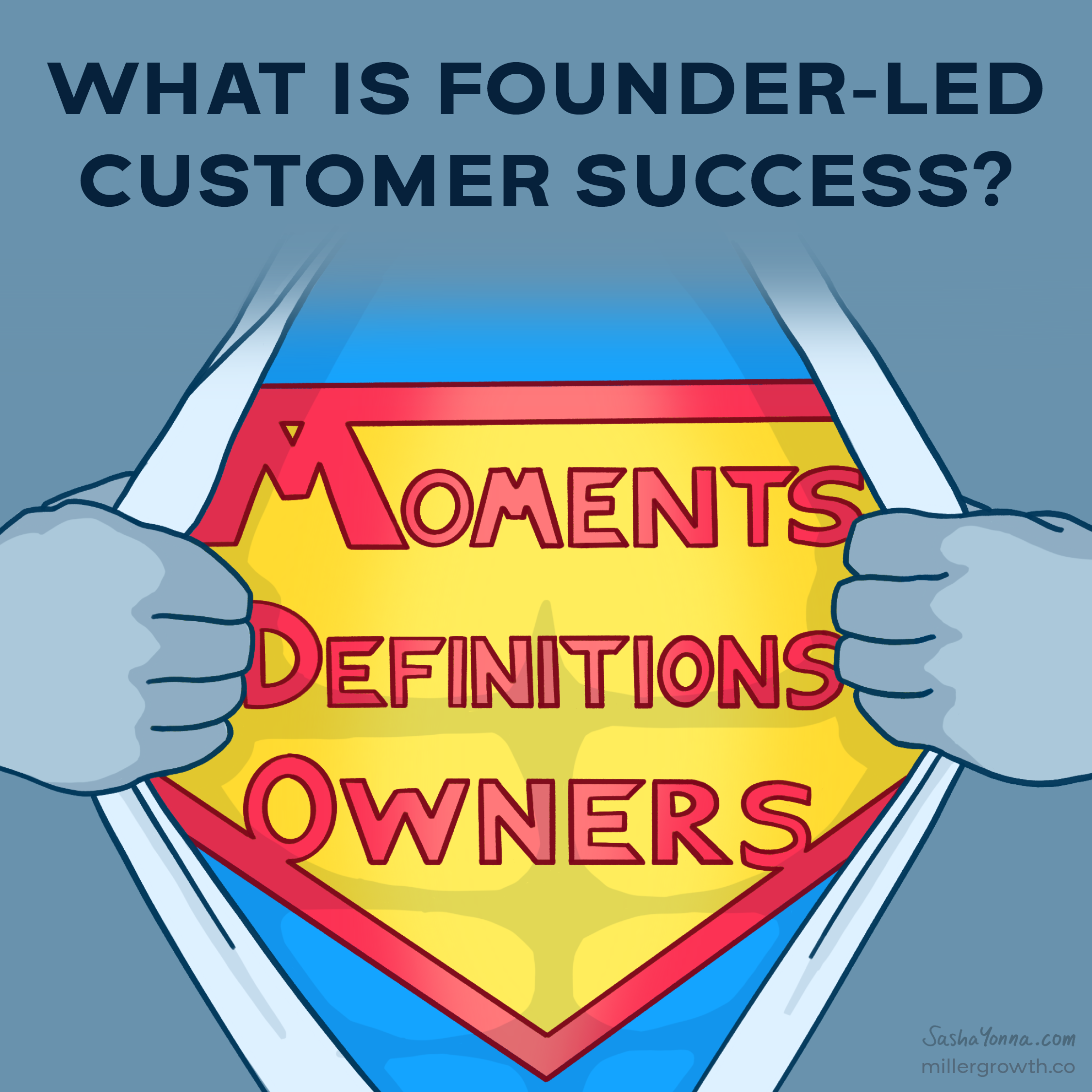
You solved Founder-led sales. What about Founder-led Customer Success?
Founder led Customer Success is the parallel of Founder led Sales, but doesn't get anything like the same level of recognition. If you are growing significantly, this will quickly become an issue, and you need to migrate Success to a repeatable process in the same way you would have done with Sales.
AI in GTM / RevOps, GTM & Strategy, Leadership
2026-08-03
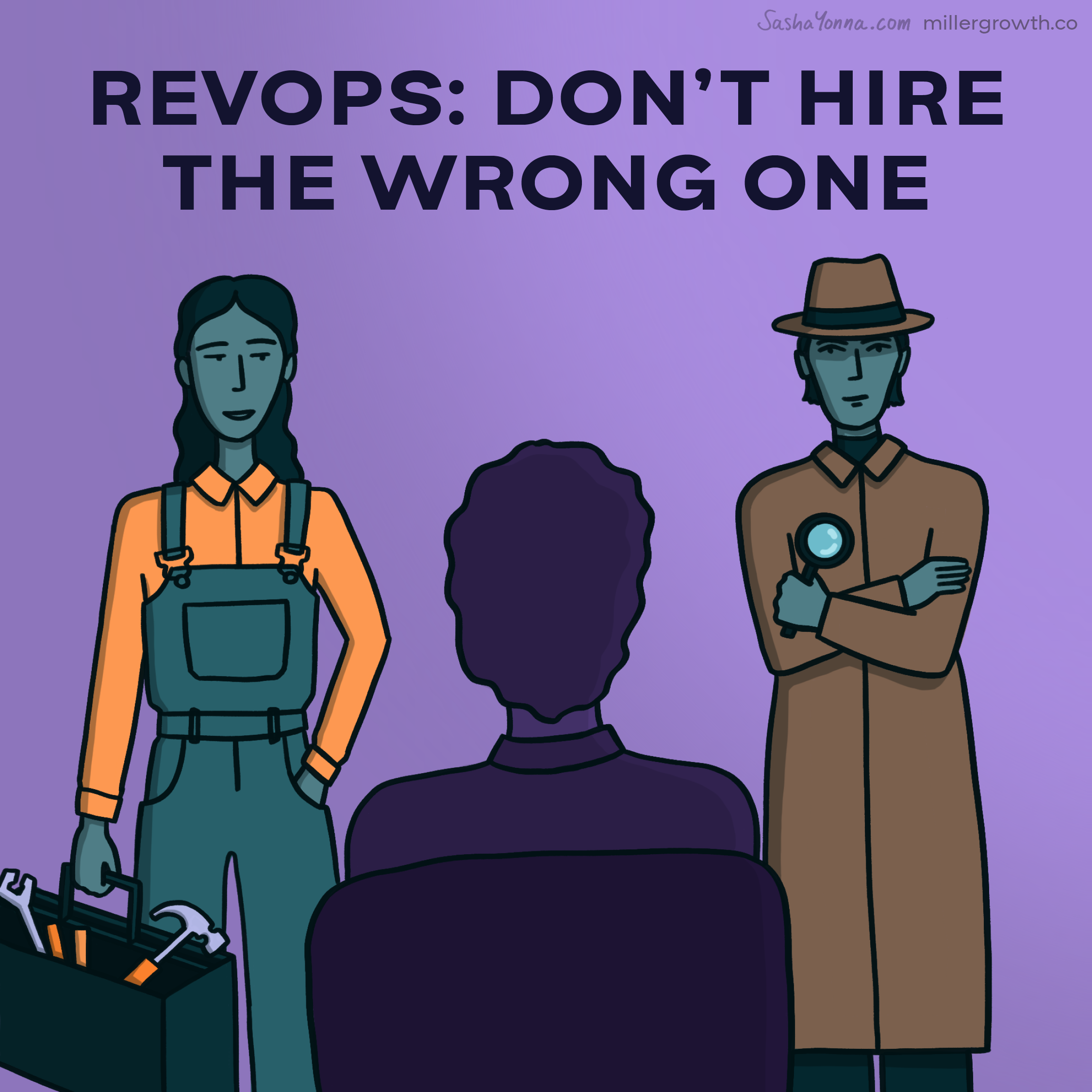
There are two RevOps hires. Most companies hire the wrong one.
Most companies hire RevOps expecting both operational rigour and commercial insight - and get neither. The two roles require different skills, and conflating them in a single job spec is one of the more expensive hiring mistakes a scaling revenue team can make.

Leadership
2026-07-27
Getting fake input from smart people
Most leaders think they want honest input. What they actually get is anchored agreement, premature consensus, and silence from the people who had the most useful thing to say. The problem is rarely the team - it's how the question gets asked and how the room gets run.
Relevant resources
Tools and insights for improving your revenue engine
Demo Training
Coach winning demos

Discovery Training
Qualify deeper, faster
AE Toolkit
Hire top performers
See more resources →