Your first sales leader probably shouldn’t be a CRO
Leadership
Who is it for?
Founders and CEOs preparing to hire their first dedicated sales leader.
When to use?
When founder-led sales is working but you're not sure how to hand it off without breaking it.
2026-06-22
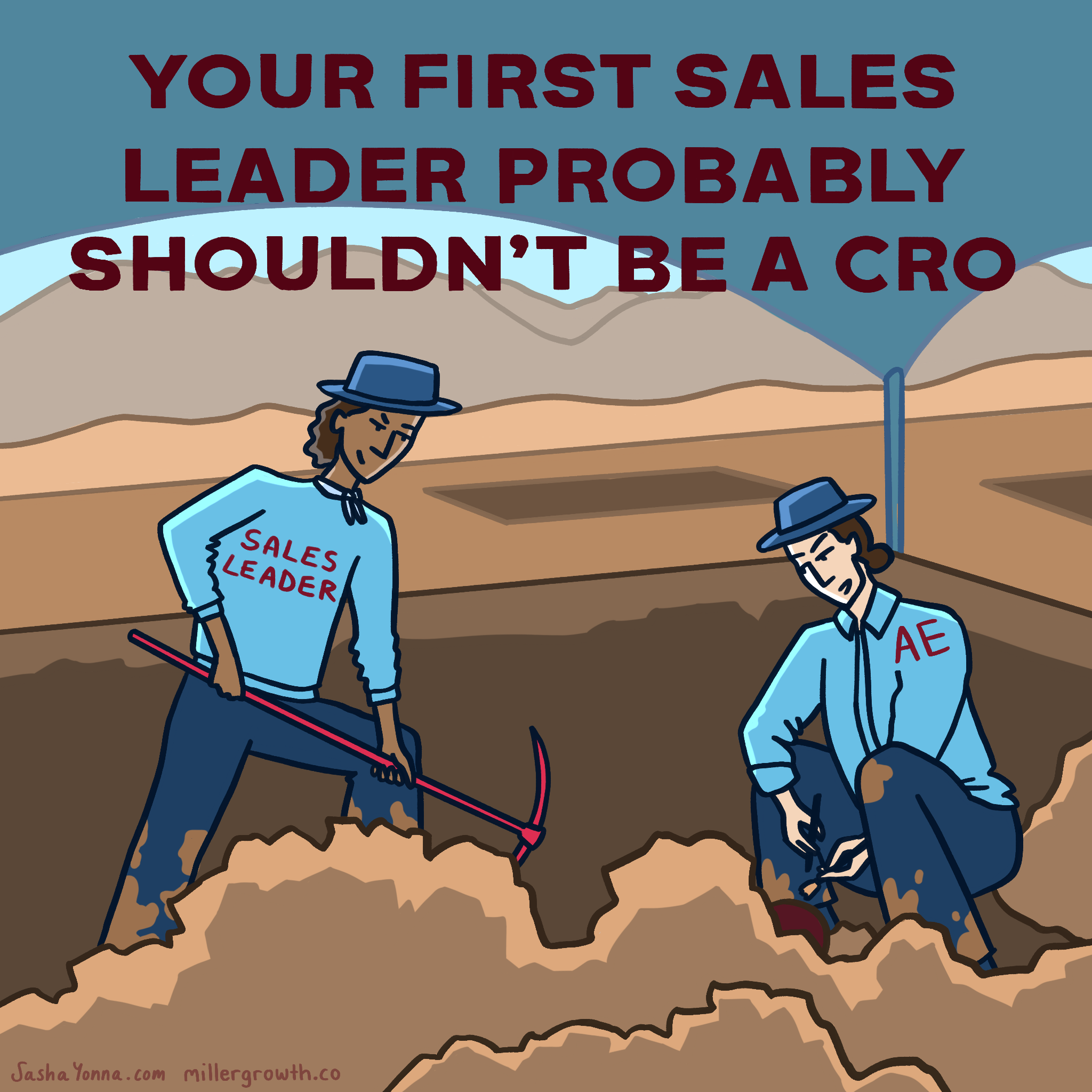
Hiring a CRO too early is one of the most common and costly mistakes in early-stage commercial hiring. Your first sales leader needs to be on live deals, not building org charts - the job is to make founder-led selling repeatable before you scale anything.
You may want someone who has run a hundred-person sales team, presents impressive plans to the Board and knows how to build an international organisation.
But that is probably not the job you have today.
Your first sales leader needs to be at the coalface. They need to join Discovery calls, progress opportunities, help close deals, listen to call recordings and understand why prospects buy - or don’t.
Founder-led sales may already be working. But founders can sell through their authority, product knowledge and ability to make decisions or commitments instantly. An AE cannot simply copy that.
The sales leader’s job is to work out which parts are repeatable:
Who is the genuine ICP?
Which messages create interest?
What does good Discovery look like?
How should opportunities be qualified?
Why do deals stall?
What can another competent seller follow successfully?
You discover this by working on real deals, not by building a Board plan.
The danger of hiring somebody too senior is that they naturally want to build the organisation they previously managed. They hire AEs, add BDRs, purchase technology and introduce forecasting processes.
But if the sales motion is not repeatable, additional people simply scale the problem.
Of course, some CROs remain excellent frontline operators. The title itself is not the issue. The question is whether they genuinely want to do the work required at your stage.
So, before hiring, ask:
When did you last personally own and close a deal?
How have you turned founder-led selling into a process other people could follow?
What would you personally do during your first 30 days?
What evidence would you need before hiring additional sellers?
Which calls and opportunities would you expect to join?
Be wary if the answers focus immediately on organisational design, recruitment, technology and Board reporting.
Look for someone who wants to spend their first few months working alongside the founder and sellers: listening to calls, testing messaging, closing opportunities and documenting what works.
Agree the outputs before they join. Within three months, you should expect clearer qualification, a more reliable sales process, better coaching, improved forecasting and evidence that somebody other than the founder can close.
Your first sales leader must produce revenue. More importantly, they must turn every win and loss into a process that other people can follow.
If this was useful, stay close to the thinking.
Get practical GTM insights and strategic breakdowns in your inbox. Weekly.
Related Posts
GTM & Strategy, Leadership
2026-08-10
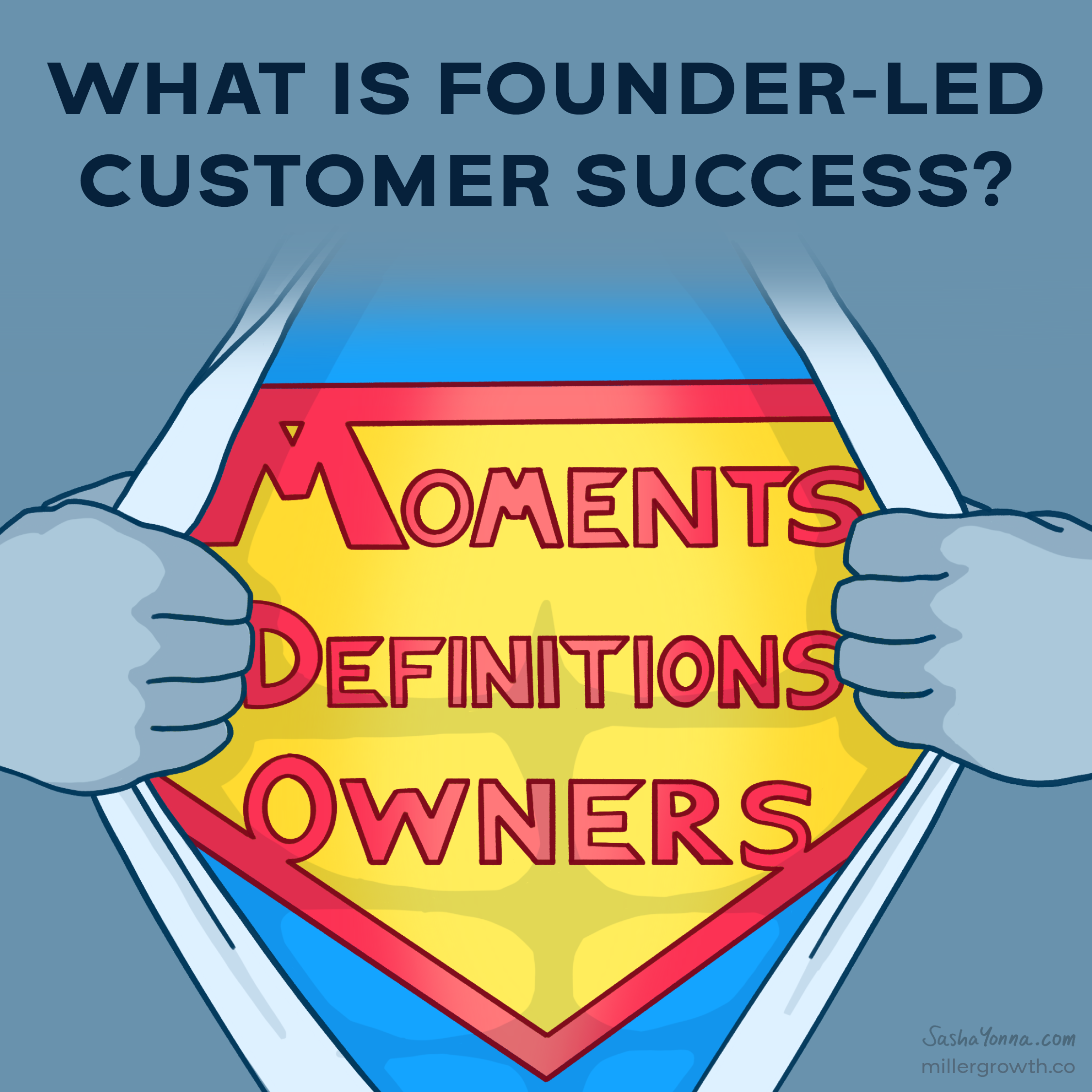
You solved Founder-led sales. What about Founder-led Customer Success?
Founder led Customer Success is the parallel of Founder led Sales, but doesn't get anything like the same level of recognition. If you are growing significantly, this will quickly become an issue, and you need to migrate Success to a repeatable process in the same way you would have done with Sales.
AI in GTM / RevOps, GTM & Strategy, Leadership
2026-08-03
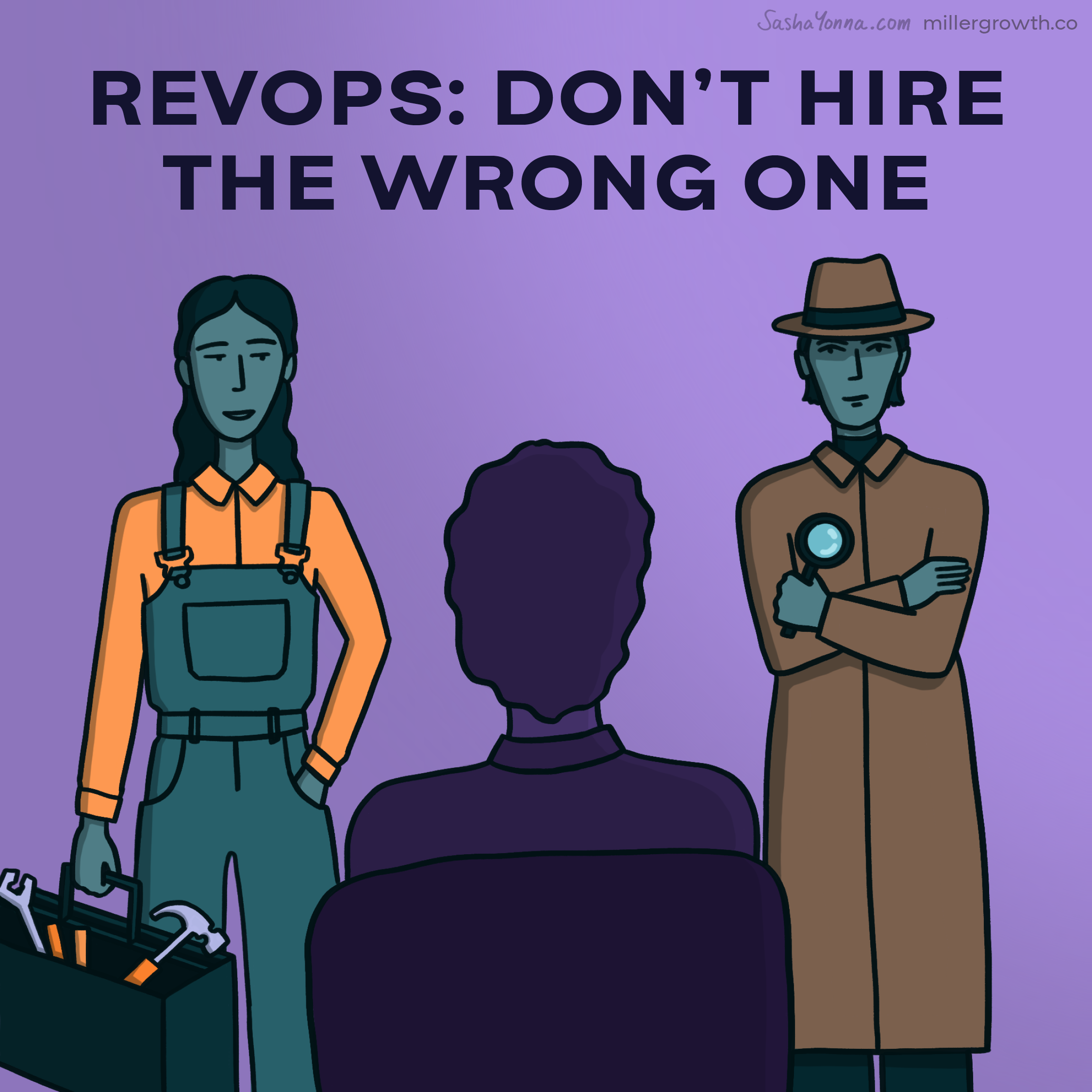
There are two RevOps hires. Most companies hire the wrong one.
Most companies hire RevOps expecting both operational rigour and commercial insight - and get neither. The two roles require different skills, and conflating them in a single job spec is one of the more expensive hiring mistakes a scaling revenue team can make.
Leadership
2026-07-27
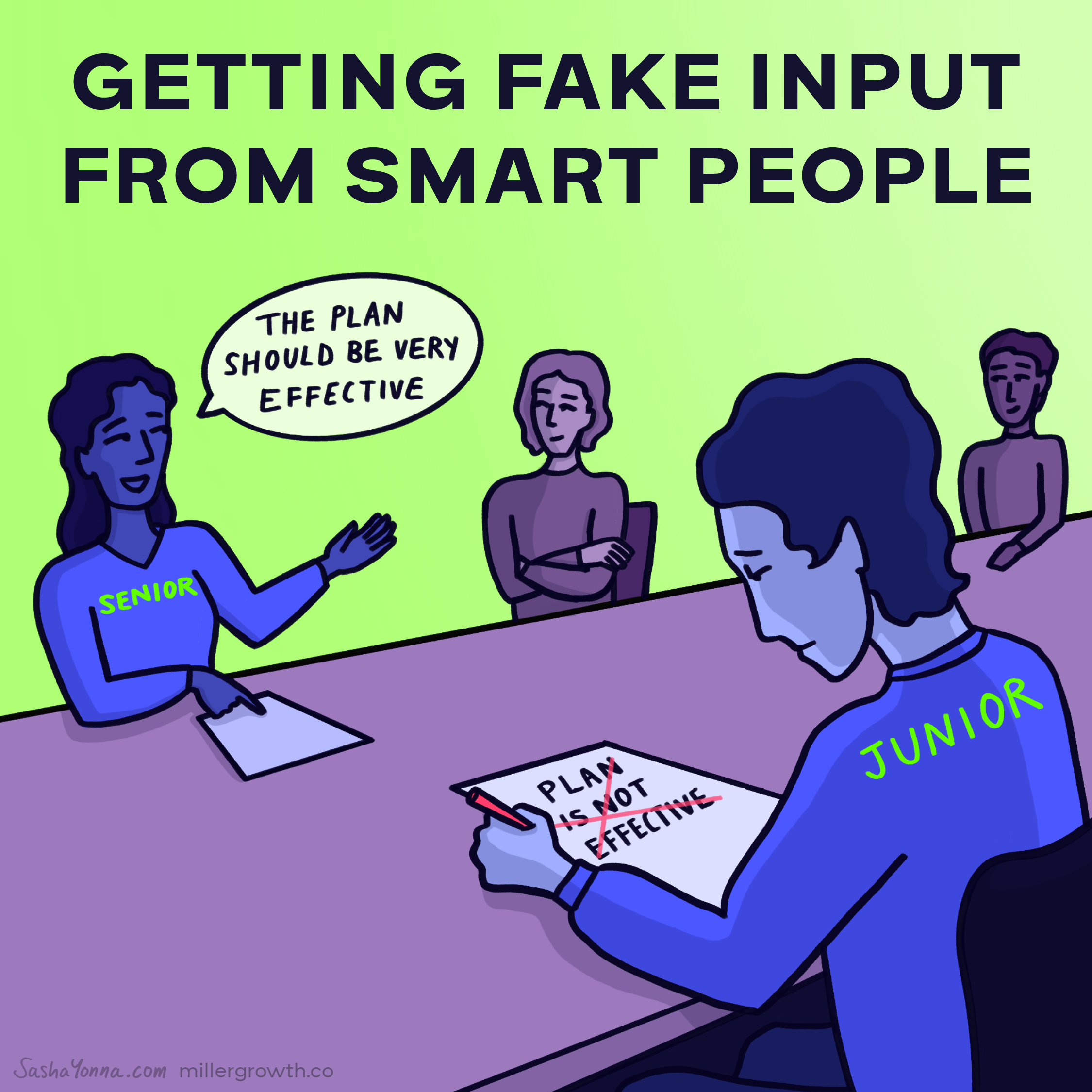
Getting fake input from smart people
Most leaders think they want honest input. What they actually get is anchored agreement, premature consensus, and silence from the people who had the most useful thing to say. The problem is rarely the team - it's how the question gets asked and how the room gets run.
Relevant resources
Tools and insights for improving your revenue engine
Demo Training
Coach winning demos

Discovery Training
Qualify deeper, faster
AE Toolkit
Hire top performers
See more resources →