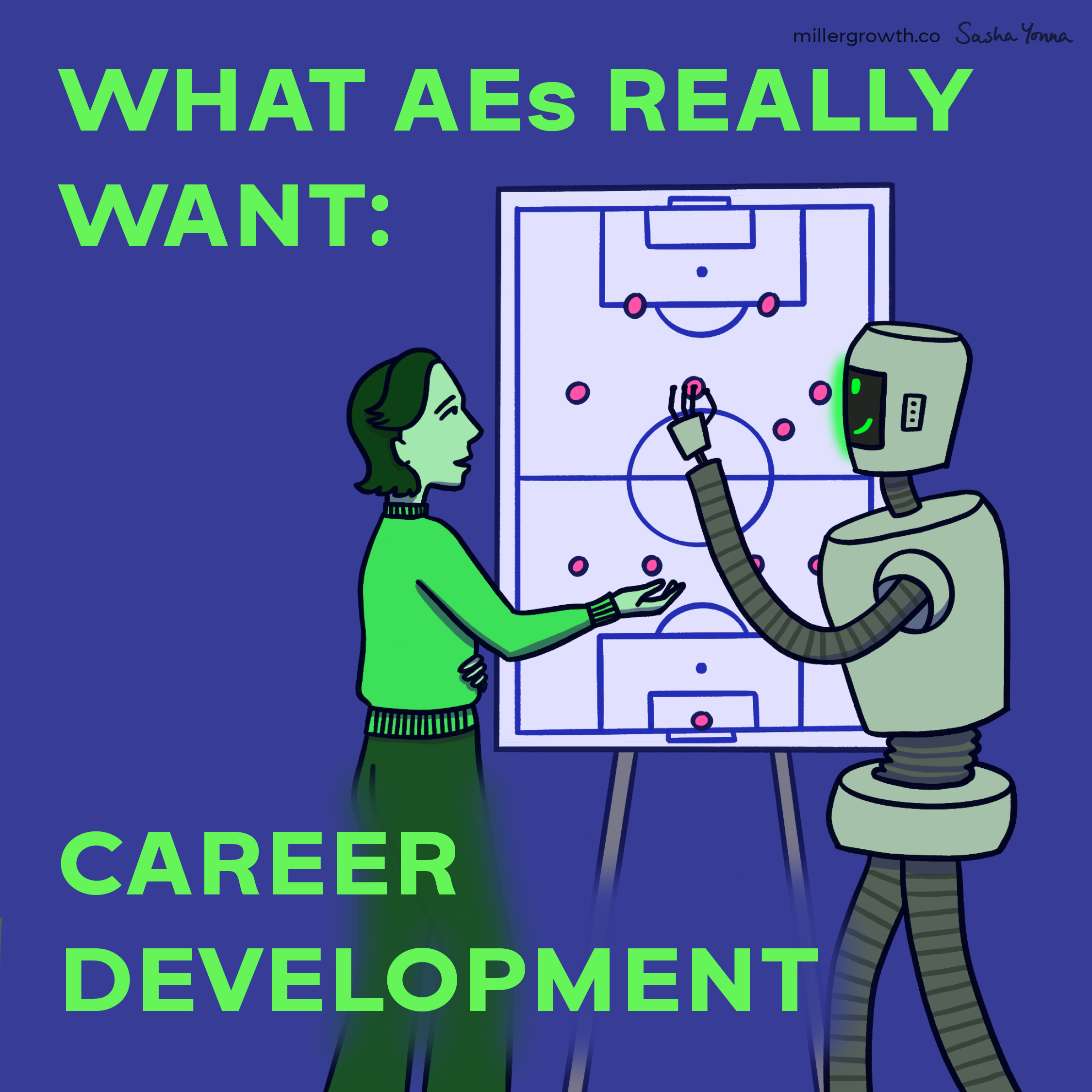
What AEs really want
AI in GTM / RevOps, Leadership
Who is it for?
Sales managers, CROs, and AEs who want faster rep development and more consistent coaching.
When to use?
When pipeline quality is inconsistent and you suspect rep skill gaps aren't being addressed fast enough.
2026-03-23
Most AEs want more coaching than they get, and most managers want to give more than they have time for. AI can close that gap — but the barrier isn't the technology, it's whether teams build the habit of using it.
The best salespeople aren't just motivated by commission. They want to get better. They see every role as an opportunity to hone their craft, and they're hungry for feedback that helps them do it.
Whenever I ask an AE about their best manager, the answer almost always includes some version of "they gave me great feedback on my calls." The best AEs actively seek this out - "could you look at this recording and tell me where I could have done better?" or "I didn't nail the close on that one - how would you have handled it?"
And yet, in nearly every organisation I've worked with, there's a persistent gap. AEs want more coaching than they get. Managers want to give more coaching than they have time for. Both are frustrated by the same constraint.
Can AI help close that gap?
Yes - very effectively, but with caveats.
The most immediate application is call analysis.
AI can give accurate, detailed summaries of what happened in a call, identify specific strengths and weaknesses for the rep, and flag patterns across an entire body of calls.
A manager can run the same analysis across a whole team.
All of it can be automated - feedback delivered after every call, successes highlighted, errors flagged - and customised to reflect your specific sales methodology.
Beyond analysis, there are AI coaches designed to support rep development over time, including role play practice. They're not perfectly realistic and they're not entirely comfortable - but they're genuinely useful. The more times you practice responding to a difficult question or explaining a complex challenge, the clearer and more confident you become.
There are also tools that provide real-time in-call coaching. A prompt that says "the prospect just mentioned competitor X - try asking how concerned they are about Y" or "you're moving towards a trial - make sure you've agreed success criteria first" can be the difference between a good call and a great one.
None of this is experimental. These tools exist, they work, and they're widely available.
So why aren't more people using them?
That's the more interesting question. The technology isn't the barrier - the habits are.
As an AE, the commitment is modest: fifteen minutes a day reviewing automated feedback, going back to the moments you got wrong, and thinking concretely about how to handle them differently. The reps who do this consistently improve faster than those who don't.
As a manager, the job is to set the system up properly (see point re RevOps below), make sure your team is actually using it, and create the space - even thirty minutes as a team, one learning point each - for it to become a habit rather than a chore. And as things change, the coaching needs to change with it - which means reviewing and updating your prompting/config roughly once a month.
And crucially, having capable RevOps support to put this in place makes all of this significantly easier. AEs and managers should be focused on the content and the conversations, not the technical setup.
The gap between the coaching AEs want and the coaching they get is real - but it's closable. The tools are there. The question is whether you use them.
If this was useful, stay close to the thinking.
Get practical GTM insights and strategic breakdowns in your inbox. Weekly.
Related Posts
AI in GTM / RevOps
2026-09-07
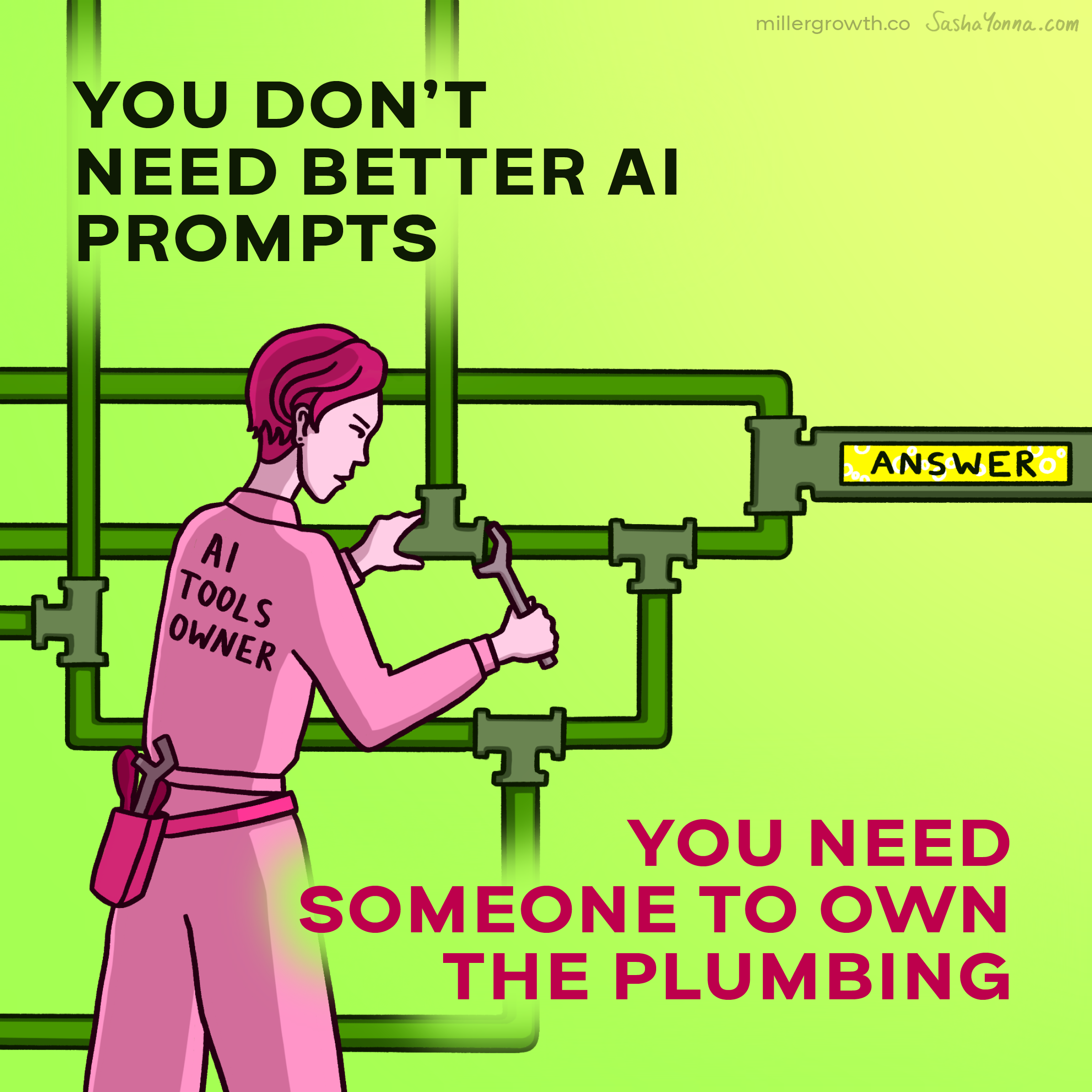
You don't need better AI prompts. You need someone to own the plumbing.
Most AI advice for sales teams is aimed at the individual seller: better prompts, smarter workflows, a clever system that closes more deals. It isn't wrong, but it's solving the wrong problem. The reason your team gets so little out of an expensive AI stack is that nobody owns the plumbing behind it.
GTM & Strategy, Leadership
2026-08-10
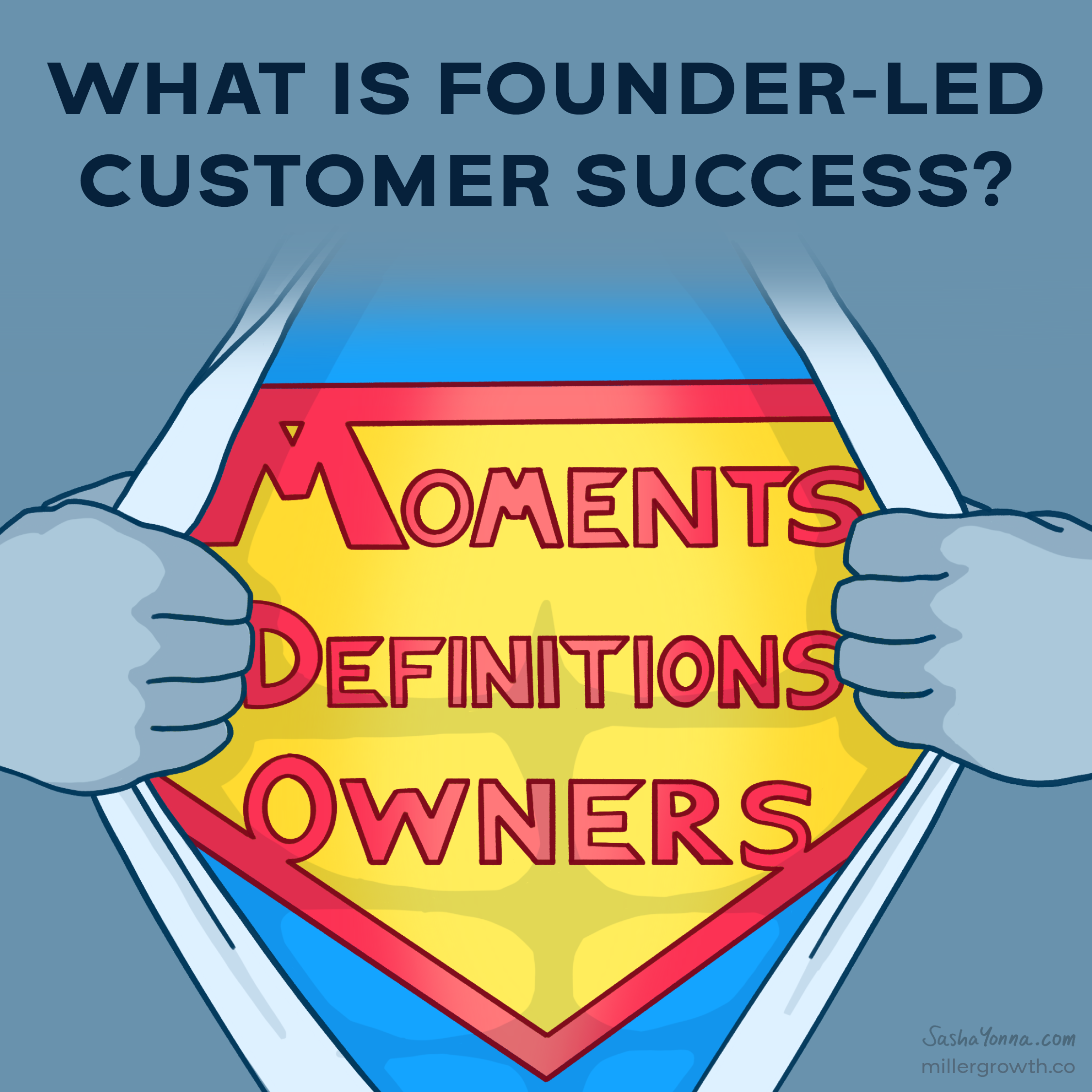
You solved Founder-led sales. What about Founder-led Customer Success?
Founder led Customer Success is the parallel of Founder led Sales, but doesn't get anything like the same level of recognition. If you are growing significantly, this will quickly become an issue, and you need to migrate Success to a repeatable process in the same way you would have done with Sales.
AI in GTM / RevOps, GTM & Strategy, Leadership
2026-08-03
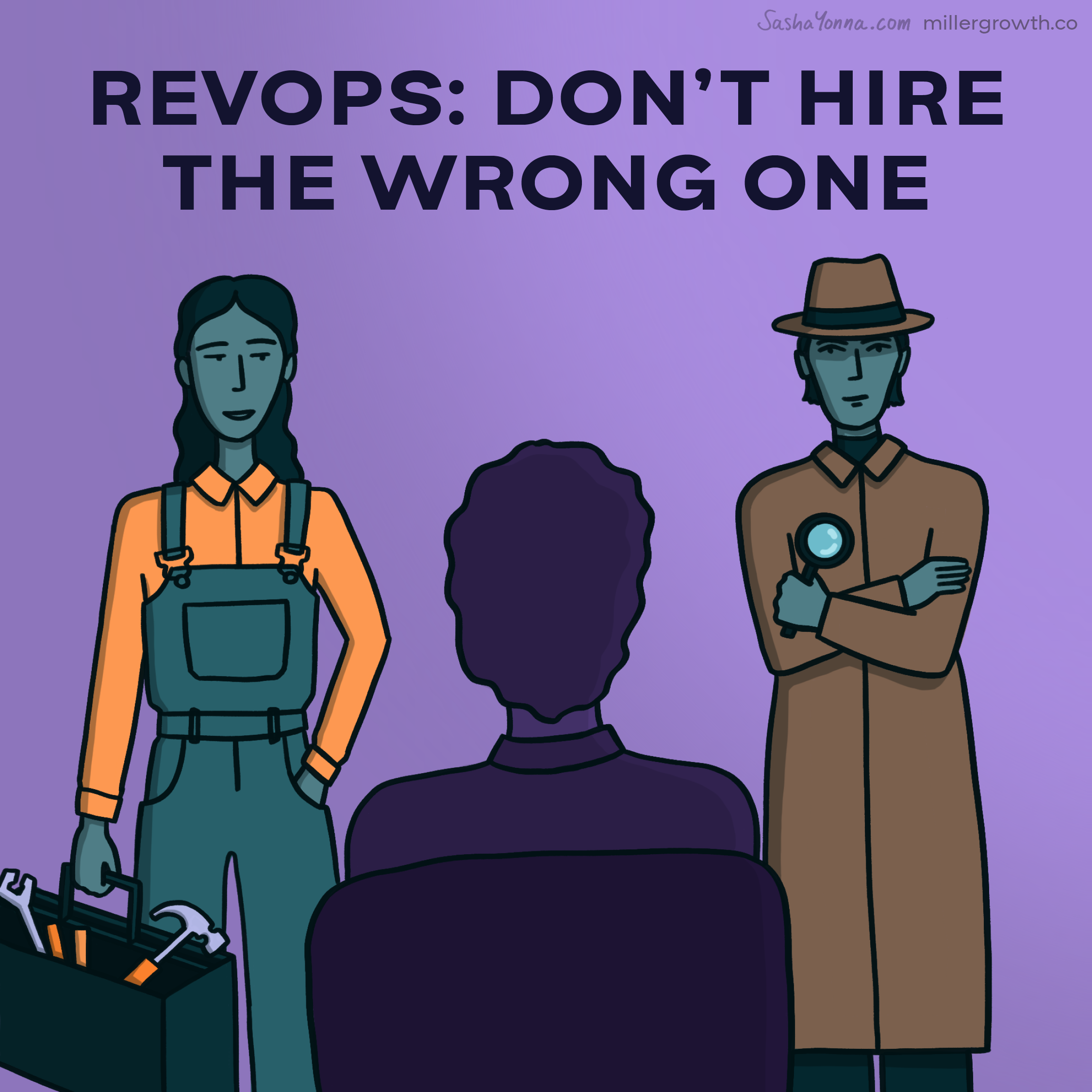
There are two RevOps hires. Most companies hire the wrong one.
Most companies hire RevOps expecting both operational rigour and commercial insight - and get neither. The two roles require different skills, and conflating them in a single job spec is one of the more expensive hiring mistakes a scaling revenue team can make.
Relevant resources
Tools and insights for improving your revenue engine
Demo Training
Coach winning demos

Discovery Training
Qualify deeper, faster
AE Toolkit
Hire top performers
See more resources →