Keep the C-suite close, AFTER the sale

Leadership
Who is it for?
For sellers qualifying complex deals and managing stakeholder risk.
When to use?
Use when you need to surface decision dynamics, urgency, and what would trigger action.
11 Aug 2025
Executive proximity after the deal matters more than before. This piece explores why post-sale alignment drives retention.
I have previously the need to engage the Decision Makers/Economic Buyer early in the process. It massively increases the win rate.
But even teams that get this right, can slip up on the next step: postsale engagement with the same people. If you’re looking for any further business, and nearly everybody is, it’s crucial to retain that engagement.
Psychologically, businesses, from the CEO and even Board downwards, have a heavy focus on new logo acquisition. The amount of time spent on planning this, measuring this, driving this often drowns out the efforts on existing business growth. One symptom of this is that the executive team does not remain engaged with key players at the customers. That same C-suite that we nurtured so carefully presale, gets neglected.
Don’t! Make sure they remain front of mind.
⭐ The CSMs / post sales team must make this happen, plan and maintain cadences that include multi-level hierarchy engagement. This can be through QBRs, 1-1s, emails on interesting topics, … Then remind the executives in your company what they need to do and when – and hold them to account for doing it.
⭐ If the sales team is not responsible for ongoing relationships and expansion, then ensure that the Customer Success or other post sales leader is introduced early to the senior stakeholders that the sales leader was engaged with. Make the time to hand this over properly and warmly.
⭐ Maintain a scorecard or tracking as to the depth of senior relationships with your key customers. Do not allow it to drop below a certain level. This should be reported at least monthly to the executive team.
And don’t forget to continue multithreading. That same Ebsta report finds that you need 5 engagements across the organisation for the best expansion opportunities. And includes your day-to-day contact, the Decision Maker/Economic Buyer/C-suite we are talking about here, and others who can influence and who are impacted by your solution.
If this was useful, stay close to the thinking.
Get practical GTM insights and strategic breakdowns in your inbox. Weekly.
Related Posts
GTM & Strategy, Leadership
2026-08-10
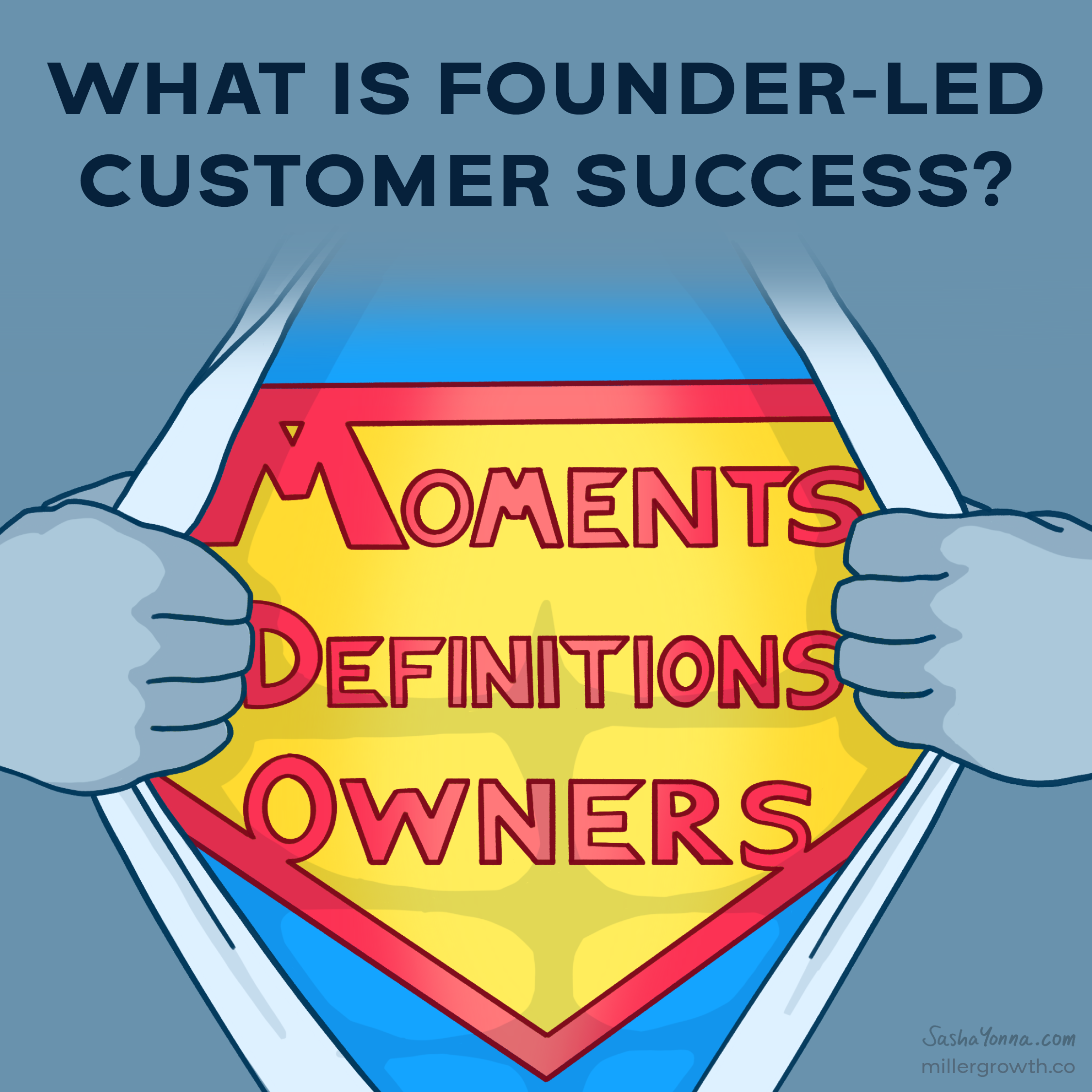
You solved Founder-led sales. What about Founder-led Customer Success?
Founder led Customer Success is the parallel of Founder led Sales, but doesn't get anything like the same level of recognition. If you are growing significantly, this will quickly become an issue, and you need to migrate Success to a repeatable process in the same way you would have done with Sales.

AI in GTM / RevOps, GTM & Strategy, Leadership
2026-08-03
There are two RevOps hires. Most companies hire the wrong one.
Most companies hire RevOps expecting both operational rigour and commercial insight - and get neither. The two roles require different skills, and conflating them in a single job spec is one of the more expensive hiring mistakes a scaling revenue team can make.
Leadership
2026-07-27
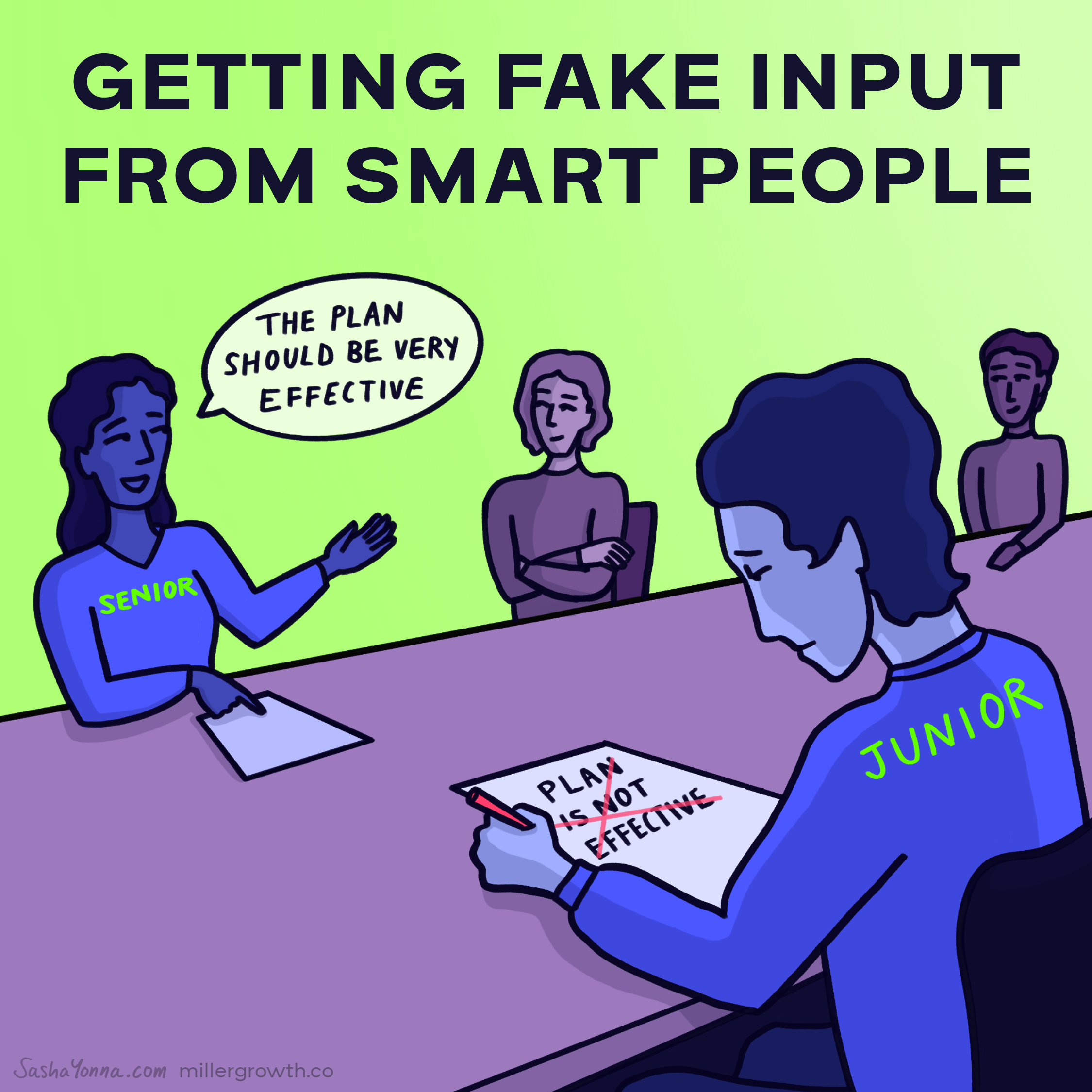
Getting fake input from smart people
Most leaders think they want honest input. What they actually get is anchored agreement, premature consensus, and silence from the people who had the most useful thing to say. The problem is rarely the team - it's how the question gets asked and how the room gets run.
Relevant resources
Tools and insights for improving your revenue engine
Demo Training
Coach winning demos

Discovery Training
Qualify deeper, faster
AE Toolkit
Hire top performers
See more resources →