Incentive plans

Leadership
Who is it for?
CEOs, CROs, and sales leaders designing or rebuilding sales compensation.
When to use?
When reps are gaming the plan, payouts feel misaligned, or the plan has become too complex to explain clearly.
2026-04-27
Most sales incentive plans fail not because the numbers are wrong, but because they're trying to do too much. One primary metric, tight management discipline, and genuine simplicity will outperform any cleverly engineered structure.
Stop trying to engineer behaviour with compensation.
You'll only create complexity, demoralisation, and frustration - for everyone.
Leadership complaints about sales compensation plans are depressingly familiar:
The sales team games the plan
Sellers optimise for their payout, not the business
I'm paying out heavily when the rep barely contributed
My reps don't even understand how the plan works
And that's before you hear from the reps: it's too complicated, it keeps changing, payments are always delayed.
In nearly every case, the plan is at fault. And since the plan doesn't create itself - whoever designed it made the mistake!
There are two principles to keep front of mind:
1️⃣ Start with what the company actually needs. Then incentivise what truly matters.
2️⃣ Keep it simple. Easy to understand, easy to administer, and harder to game.
Simplicity
A well-designed incentive plan - and it's worth calling it that, rather than a compensation plan, to remind everyone of its purpose - has a single primary metric. First-year ARR. Total contract value. Gross margin. Pick one that drives business value.
From there, add a small number of specific accelerators: overachievement, perhaps long-term contracts where they genuinely benefit the business. Then stop. Resist the urge to add more.
Every additional variable is another thing to misunderstand, game, or argue about.
Clarity
Many leadership teams often forget that you have two levers for shaping behaviour. The incentive plan is one. Management is the other - and it's the one that gets chronically underused, but ensures you keep the incentive plan clear.
In every other function, you don't adjust compensation to drive behaviour. You set clear expectations and hold people to them. Sales is no different.
Want the CRM kept up to date? Use its output visibly and consistently. Make it clear that hygiene is a professional expectation, not an optional extra. Invest in automation to remove unnecessary admin.
Want your team spending time on outbound? Agree on time blocks, set weekly targets, and track them consistently.
Neither of these requires touching the incentive plan.
Multi-year deals
Should they attract additional compensation? This is a great example of thinking about what your business needs.
If short contracts churn because clients haven't had time to see value, incentivise multi-year deals. If investors place a premium on long-term contracts, incentivise them. But if your retention is already strong and multi-year contracts just mean discounting ARR for no real gain, don't.
The question isn't general, it is specific: "what does our business actually need?"
The most effective incentive plans are, frankly, boring. Simple, predictable, and difficult to game. The real work isn't in the plan - it's in the management: clear expectations, consistent accountability, and a team that understands what genuinely matters to the business.
At the same time, there are plenty of hidden pitfalls in incentive plan design - along with tried and tested ways to avoid them. I am happy to share some example structures or talk through what's not working in your current plan.
If this was useful, stay close to the thinking.
Get practical GTM insights and strategic breakdowns in your inbox. Weekly.
Related Posts
GTM & Strategy, Leadership
2026-08-10
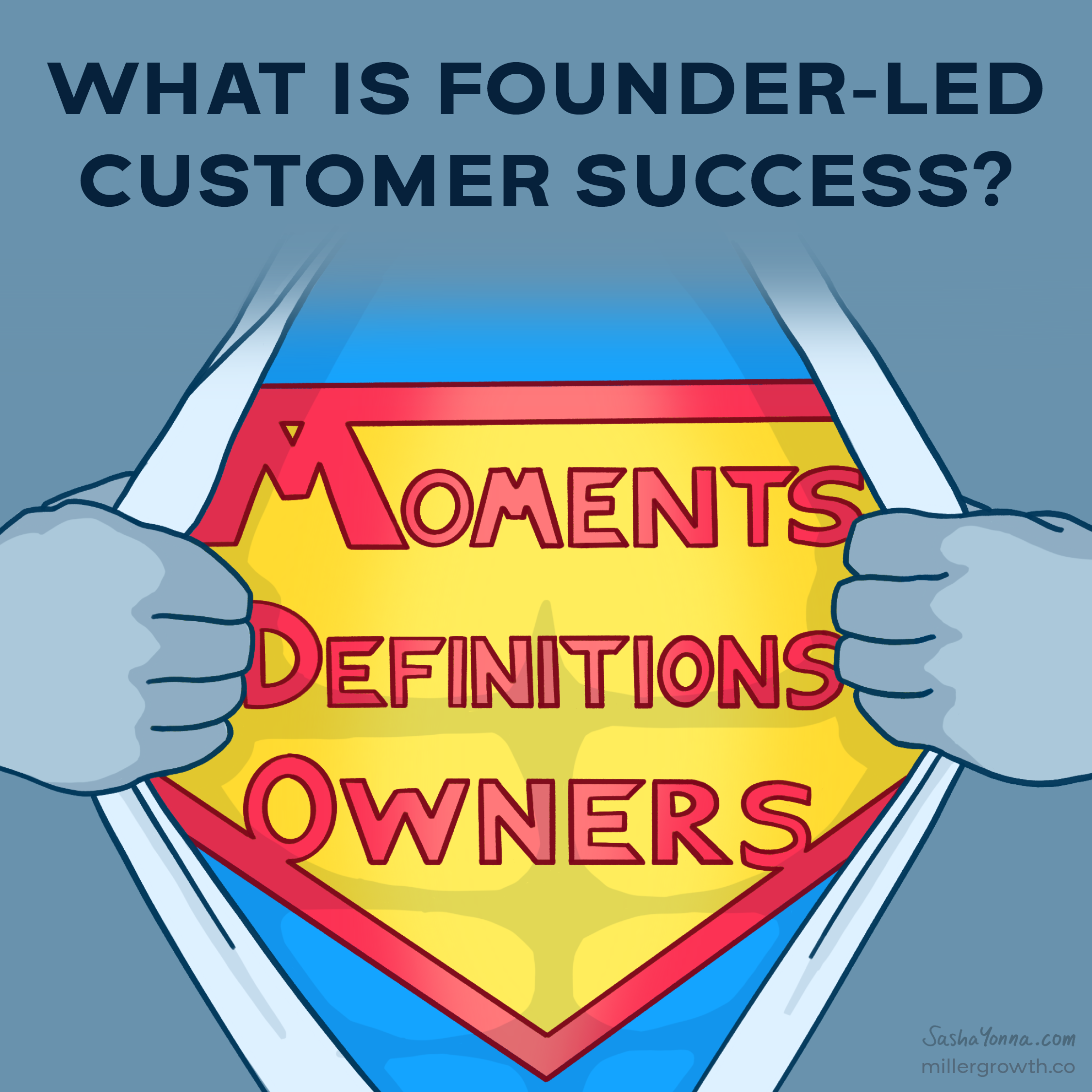
You solved Founder-led sales. What about Founder-led Customer Success?
Founder led Customer Success is the parallel of Founder led Sales, but doesn't get anything like the same level of recognition. If you are growing significantly, this will quickly become an issue, and you need to migrate Success to a repeatable process in the same way you would have done with Sales.
AI in GTM / RevOps, GTM & Strategy, Leadership
2026-08-03
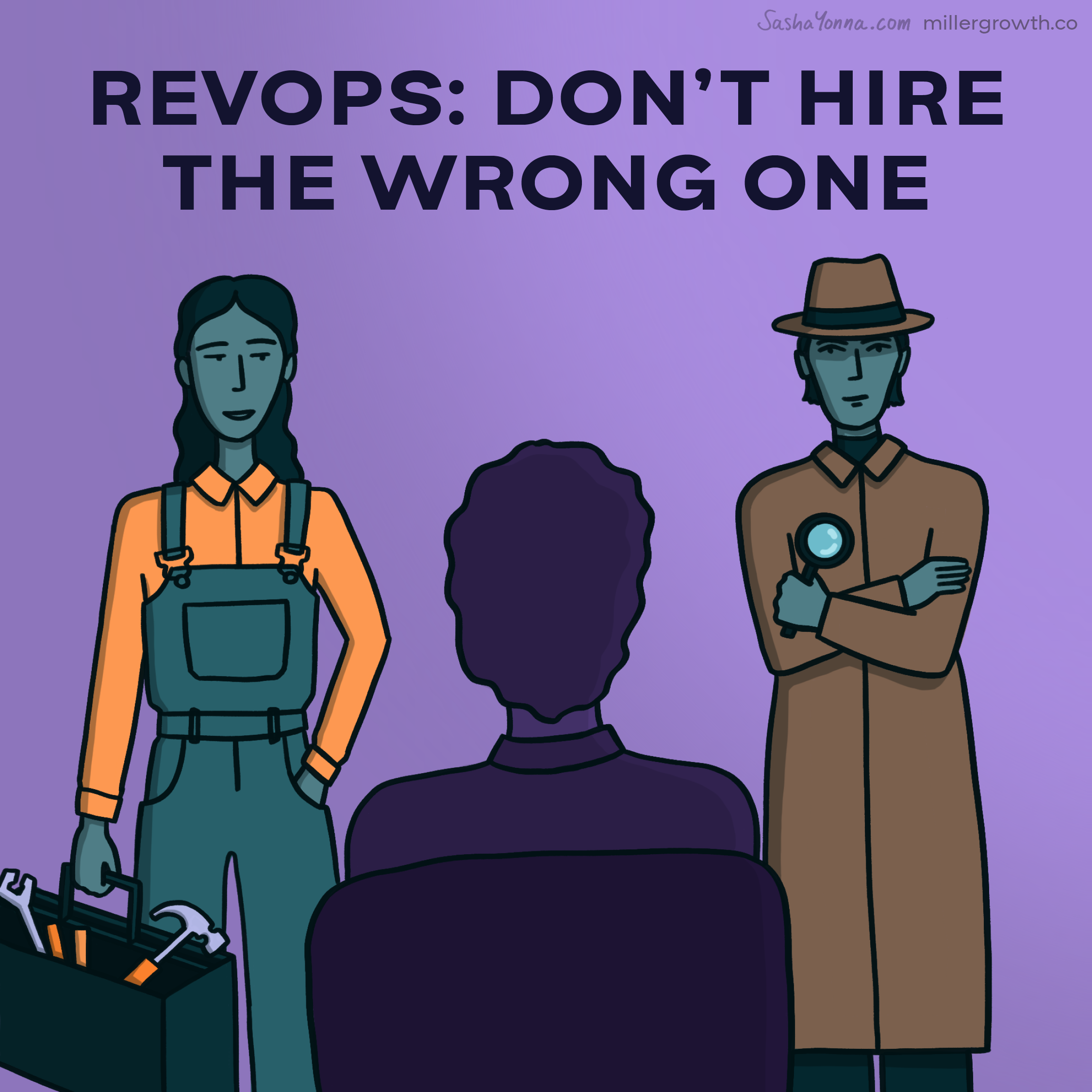
There are two RevOps hires. Most companies hire the wrong one.
Most companies hire RevOps expecting both operational rigour and commercial insight - and get neither. The two roles require different skills, and conflating them in a single job spec is one of the more expensive hiring mistakes a scaling revenue team can make.
Leadership
2026-07-27
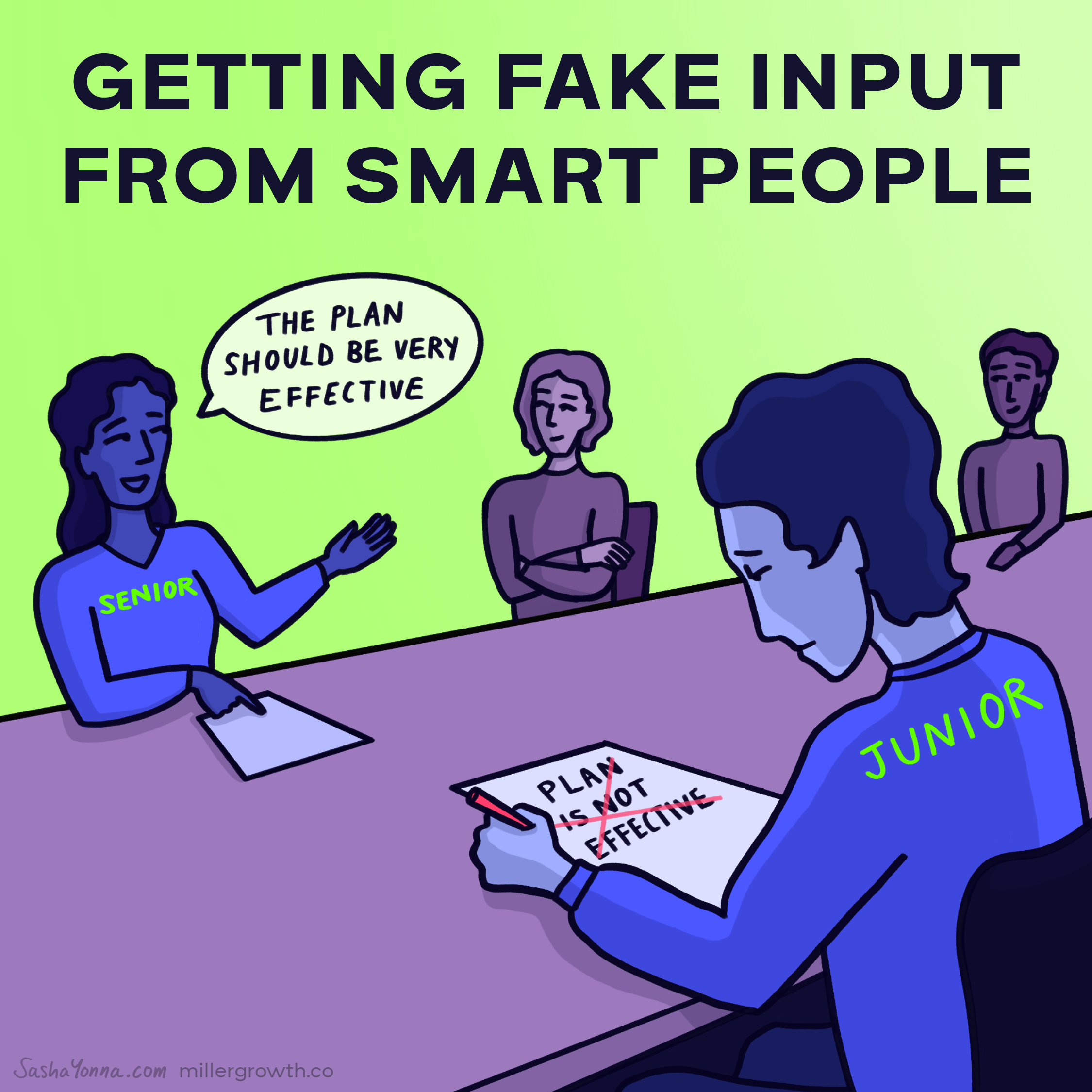
Getting fake input from smart people
Most leaders think they want honest input. What they actually get is anchored agreement, premature consensus, and silence from the people who had the most useful thing to say. The problem is rarely the team - it's how the question gets asked and how the room gets run.
Relevant resources
Tools and insights for improving your revenue engine
Demo Training
Coach winning demos

Discovery Training
Qualify deeper, faster
AE Toolkit
Hire top performers
See more resources →