Hiring BDRs without good support

Leadership
Who is it for?
For sales leaders and founders hiring or developing revenue talent.
When to use?
Use when interviews produce false positives and you need a repeatable way to assess real capability.
22 Jul 2023
BDR performance depends on environment, not just talent. This post explores the cost of weak support.
Starting with the definition: BDR = business development rep (or SDR = sales development rep). These are typically people early in their career – often straight out of university – who generate leads for the sales team, mostly by LinkedIn outreach, emailing, cold calls, etc. The goal is to set up a first meeting which they might hold themselves or may pass to an AE (account executive = seller). That AE might be the founder/CEO – often a BDR is the first sales hire to support founder-led sales. In a more established sales team, there will be several BDRs and a BDR team-lead as well as other support for them.
Way too often, BDRs do not deliver what they're being asked for. There are two major reasons. It's incredibly hard. Possibly the hardest role in the commercial team – engaging with people cold to generate interest. Secondly, there is often not enough support in the business to help them do a good job. There is a huge amount of sophistication around good outreach these days. There are tools and approaches which are tried and tested. It requires strong messaging. You need clarity on the ICP (= ideal customer profile) and target personas. You need info about the prospects. BDR outreach does not exist in a vacuum, it is connected to marketing and other sales activities. Yet, it's common for a company to hire somebody straight out of university and ask them to pick up this role without the expertise in the company to train them on tools, process, messaging, ICP and personas. Even in companies where there are multiple BDRs and a team lead, there is often lack of consistency, knowledge and training. Therefore, emails are sent, calls are made, and leads fail to materialise
* If you're going to hire and rely on BDRs, it is critical that there is the expertise to support them.
* You need to be clear regards who they are targeting and what they are saying.
* If you don't know for sure and you want BDRs to help you test the messaging, personas or ICP, that's okay – but you must be deliberate about that testing and the BDRs need support and understanding regards what they are doing.
* If you are hiring your first BDRs, I recommend you hire someone with strong experience. Maybe a potential team lead who has had great training in previous roles.
* I also recommend hiring two at a time. They will help and support each other, and if one of them doesn't succeed, you don't have to start all over again.
* Make sure they have access to support – courses or books, advisers or coaches – so that they can learn best practice. There are good resources out there and very good trainers and blogs that BDRs should engage with. (Let me know if you want some pointers.)
If this was useful, stay close to the thinking.
Get practical GTM insights and strategic breakdowns in your inbox. Weekly.
Related Posts
GTM & Strategy, Leadership
2026-08-10
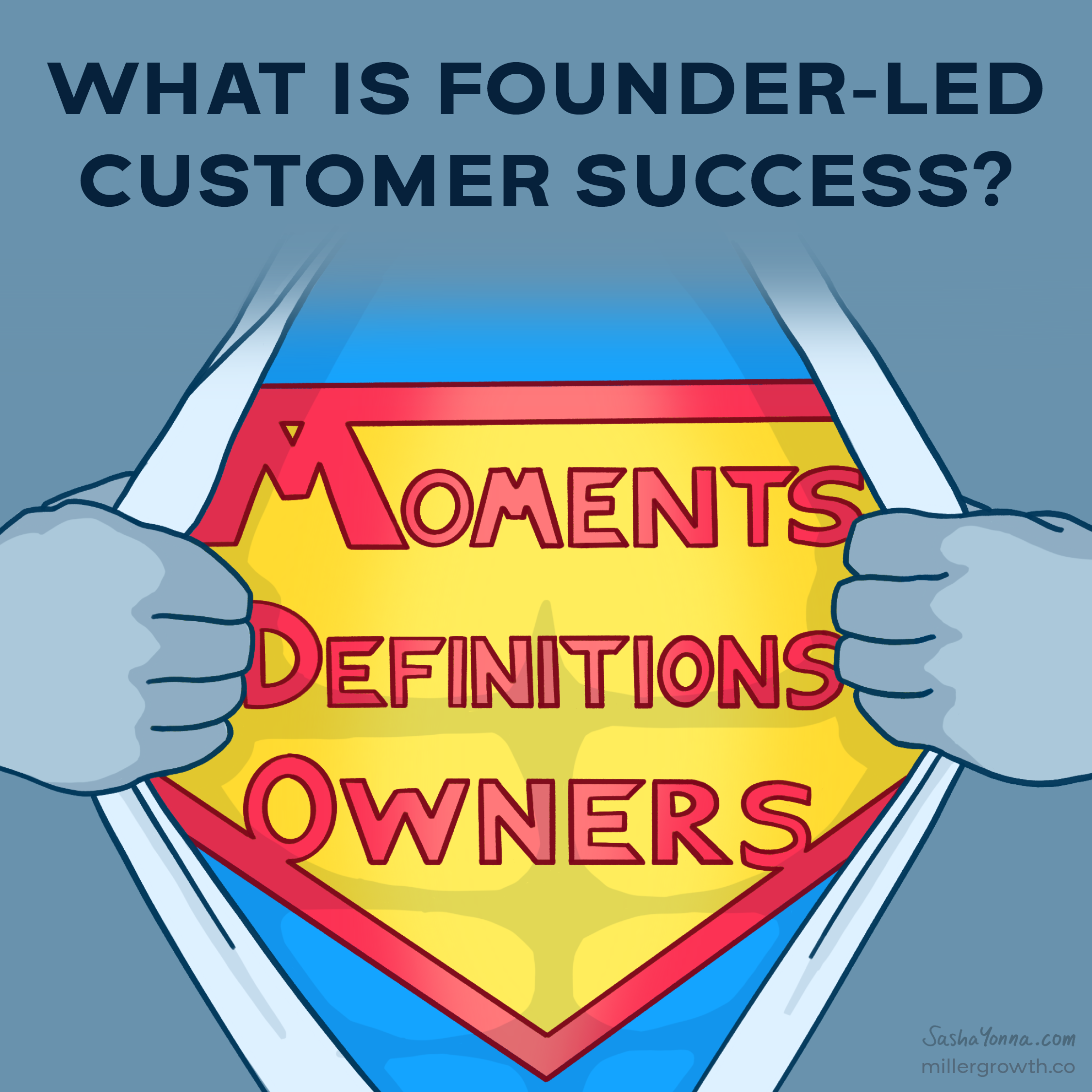
You solved Founder-led sales. What about Founder-led Customer Success?
Founder led Customer Success is the parallel of Founder led Sales, but doesn't get anything like the same level of recognition. If you are growing significantly, this will quickly become an issue, and you need to migrate Success to a repeatable process in the same way you would have done with Sales.
AI in GTM / RevOps, GTM & Strategy, Leadership
2026-08-03
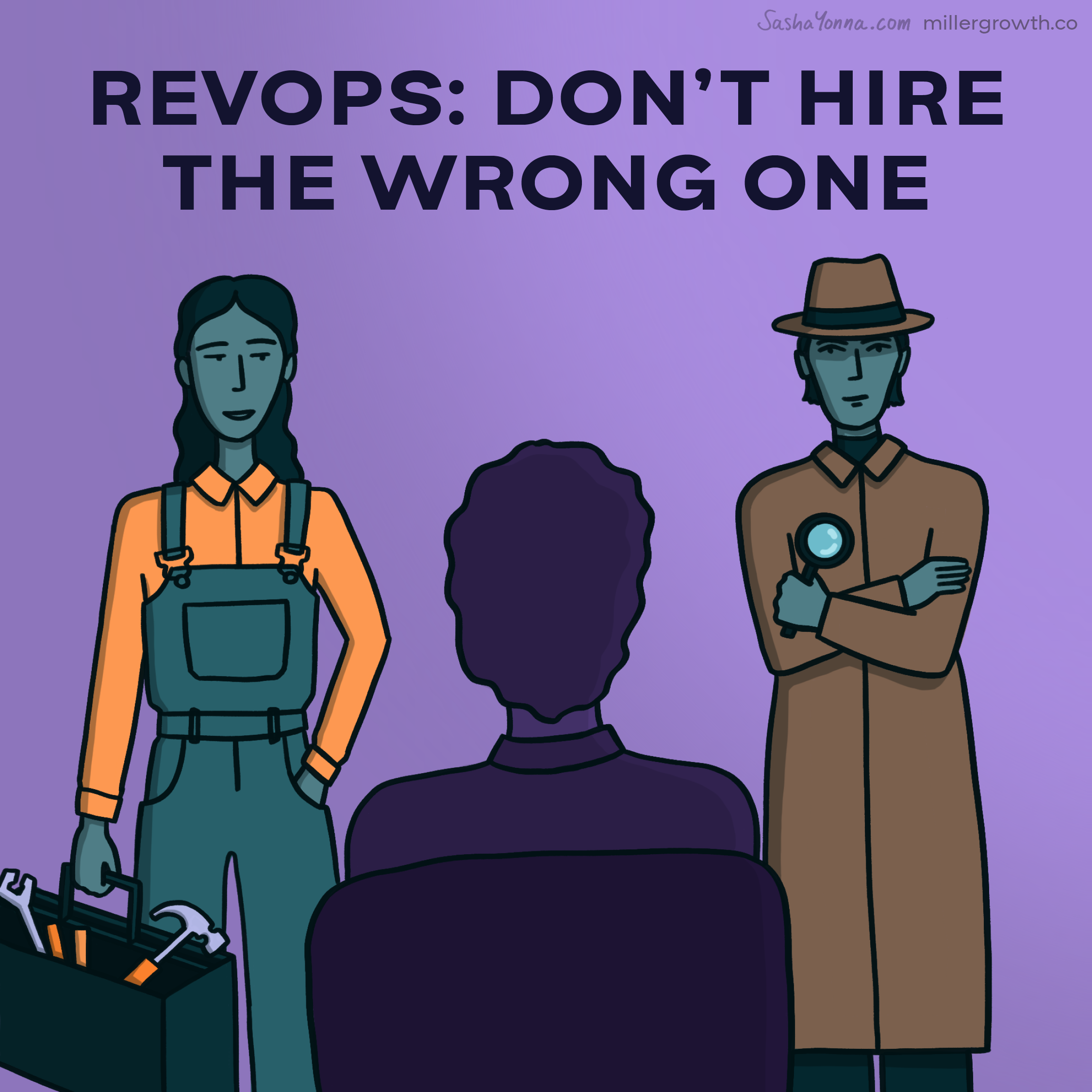
There are two RevOps hires. Most companies hire the wrong one.
Most companies hire RevOps expecting both operational rigour and commercial insight - and get neither. The two roles require different skills, and conflating them in a single job spec is one of the more expensive hiring mistakes a scaling revenue team can make.
Leadership
2026-07-27
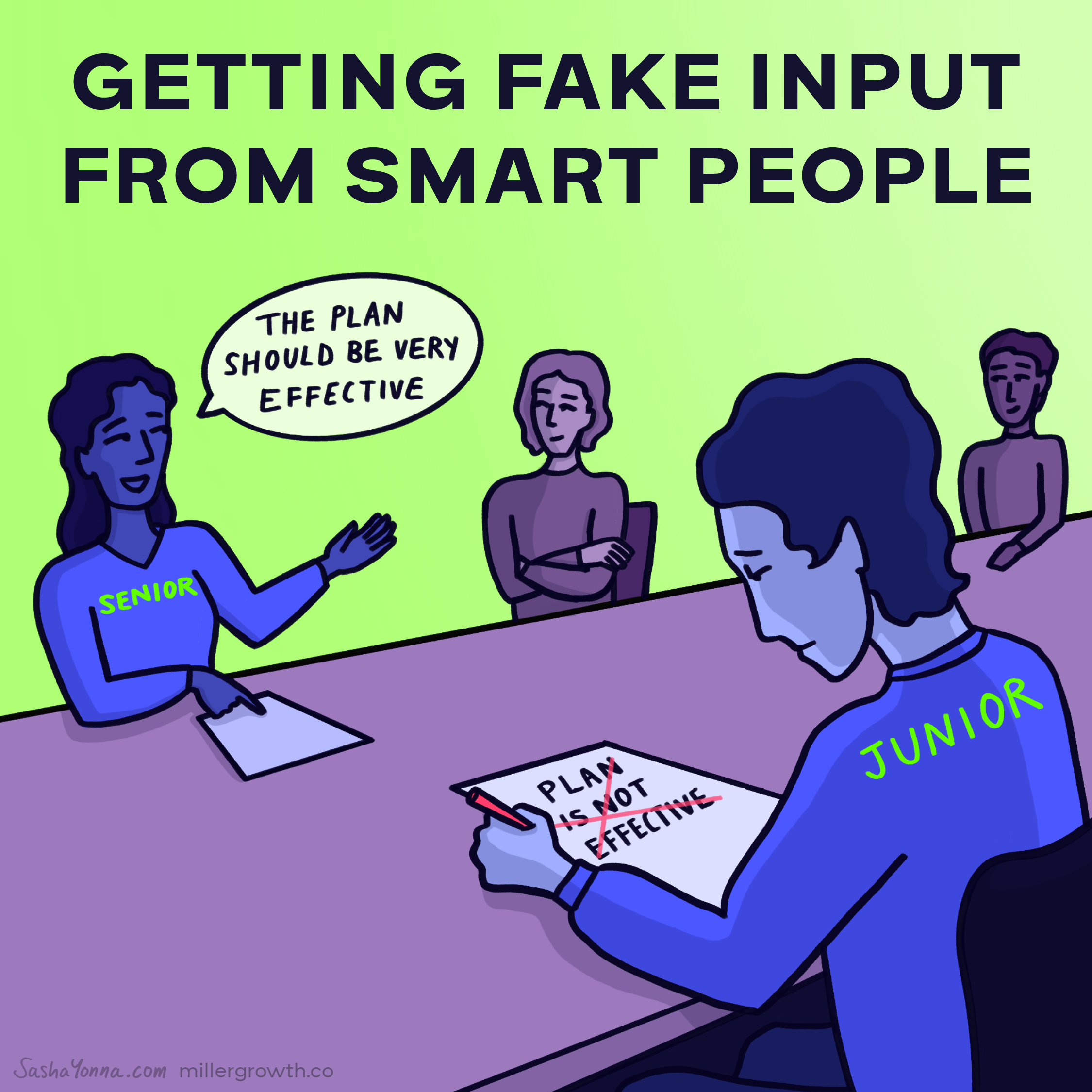
Getting fake input from smart people
Most leaders think they want honest input. What they actually get is anchored agreement, premature consensus, and silence from the people who had the most useful thing to say. The problem is rarely the team - it's how the question gets asked and how the room gets run.
Relevant resources
Tools and insights for improving your revenue engine
Demo Training
Coach winning demos

Discovery Training
Qualify deeper, faster
AE Toolkit
Hire top performers
See more resources →