Do you know what multithreading is?

Leadership
Who is it for?
For sales leaders and founders hiring or developing revenue talent.
When to use?
Use when interviews produce false positives and you need a repeatable way to assess real capability.
6 Dec 2024
Multithreading reduces optimism bias. This post explains why single-thread deals collapse late.
There are some consistent issues I see in sales teams. One of those is multithreading – or rather, the lack of it. Multithreading in the sales context means having multiple contacts at your prospect, who are engaged with multiple individuals in your team.
The importance of multithreading may be fairly obvious, but just in case… A single line of communication is a single point of failure. If that individual realises that your solution will not advance their career, maybe they will go quiet on you, despite the fact it is a good solution for their company. Maybe the person who is really going to see the value is not your initial contact, but someone they engage with internally. Certainly, more senior people in your prospect will have a different perspective on the value of your solution than junior people. Product or business people will have a different perspective from users or engineers. None are wrong or right, but to build a true picture of the value you can bring, you need to engage with multiple people.
Giving your prospect access to multiple people in your company allows you to build different relationships, find different information and create other supporters. It will give your customer more confidence that you can support them broadly. You will be able to uncover objections which you may not have discovered through your main contacts. When one contact goes a little quiet, rather than worrying, you can speak to someone else if they’re on holiday or looking at an alternative vendor.
Oddly, many AEs are reluctant to create this environment. I think this is because they feel they may be losing control. Or maybe it is because they feel it would be rude to impose on someone else. Perhaps they can’t think of a reason why a certain conversation should happen. Leadership should therefore work with AEs to help them overcome these concerns and create the relationships.
In any decent sized account, the AE should not be running every conversation. As soon as possible, you should have some type of senior engagement, perhaps from the head of sales or regional director, to your Champion’s manager. You should be aiming to get the appropriate executive in your business engaged with the Economic Buyer. You have sales engineers/solution architects talking with technical individuals – they shouldn’t just respond to questions, but they should be engaging in building relationships.
In the largest deals – 1m+ – you will should have 8-12 separate contacts you are working with at the customer, likely from 4-6 people in your business. In any six-figure deal, I would be surprised if you have less than 4-8 contacts. Even in a mid/high five figure deal, there should almost certainly be 3-4 contacts.
If this was useful, stay close to the thinking.
Get practical GTM insights and strategic breakdowns in your inbox. Weekly.
Related Posts
GTM & Strategy, Leadership
2026-08-10
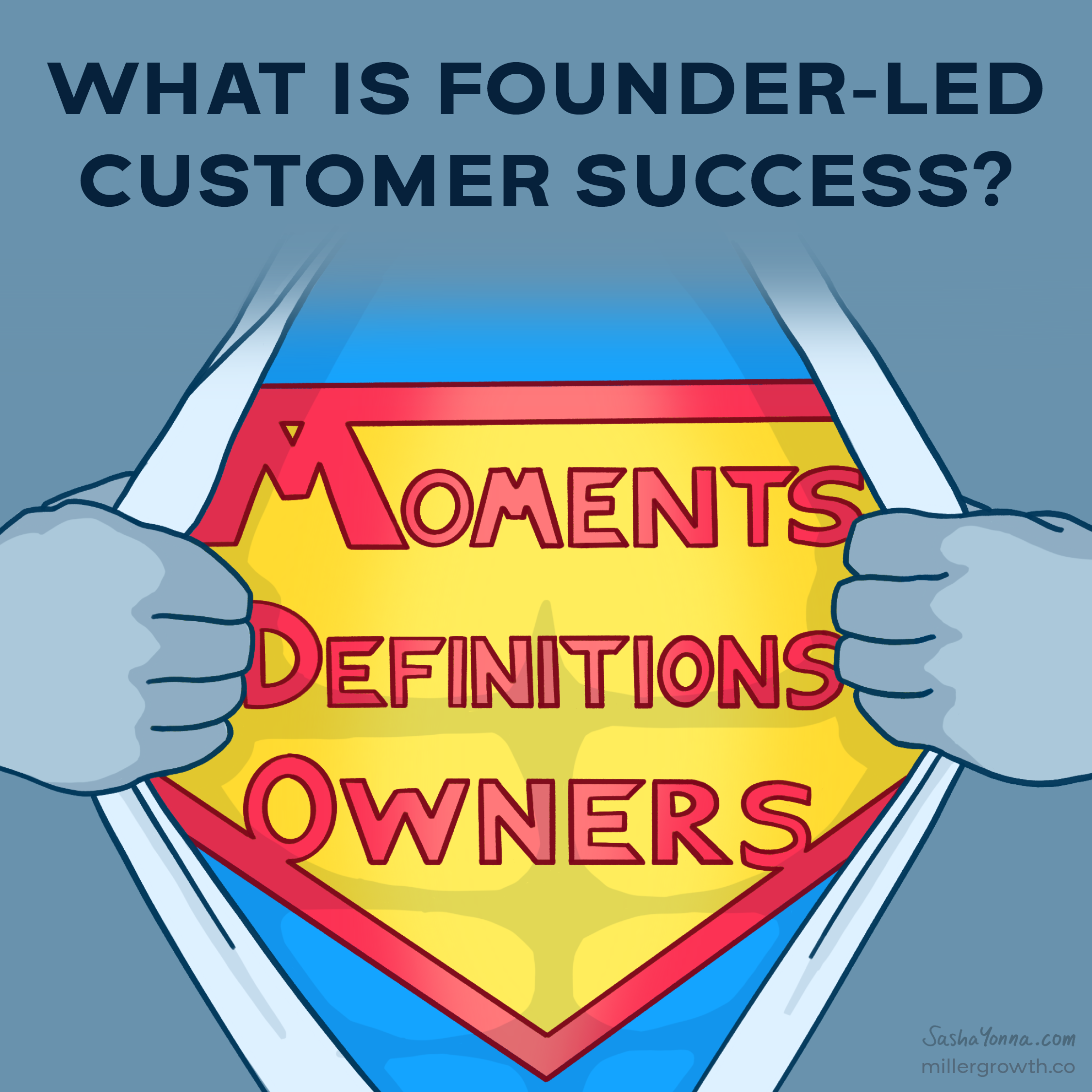
You solved Founder-led sales. What about Founder-led Customer Success?
Founder led Customer Success is the parallel of Founder led Sales, but doesn't get anything like the same level of recognition. If you are growing significantly, this will quickly become an issue, and you need to migrate Success to a repeatable process in the same way you would have done with Sales.
AI in GTM / RevOps, GTM & Strategy, Leadership
2026-08-03
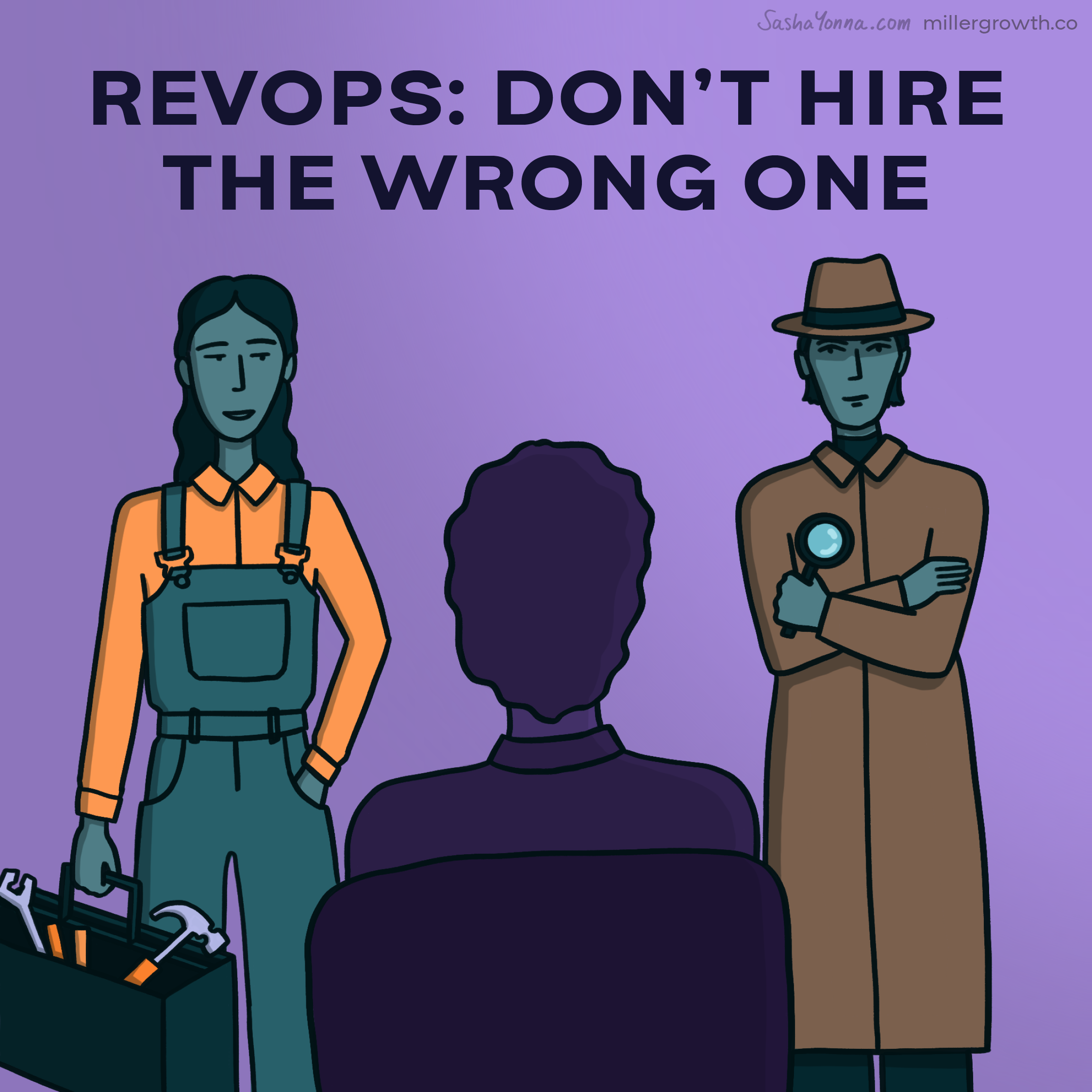
There are two RevOps hires. Most companies hire the wrong one.
Most companies hire RevOps expecting both operational rigour and commercial insight - and get neither. The two roles require different skills, and conflating them in a single job spec is one of the more expensive hiring mistakes a scaling revenue team can make.
Leadership
2026-07-27
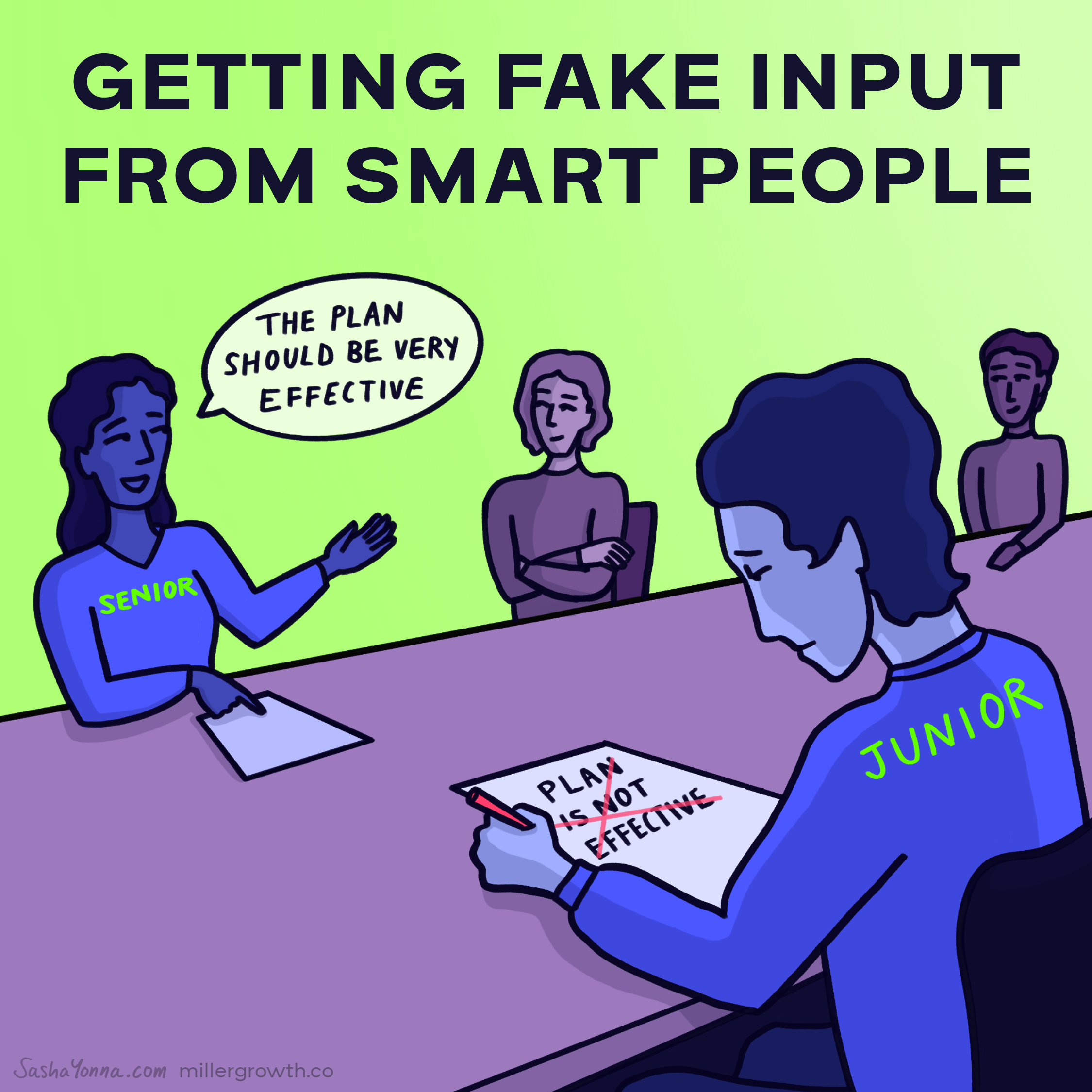
Getting fake input from smart people
Most leaders think they want honest input. What they actually get is anchored agreement, premature consensus, and silence from the people who had the most useful thing to say. The problem is rarely the team - it's how the question gets asked and how the room gets run.
Relevant resources
Tools and insights for improving your revenue engine
Demo Training
Coach winning demos

Discovery Training
Qualify deeper, faster
AE Toolkit
Hire top performers
See more resources →