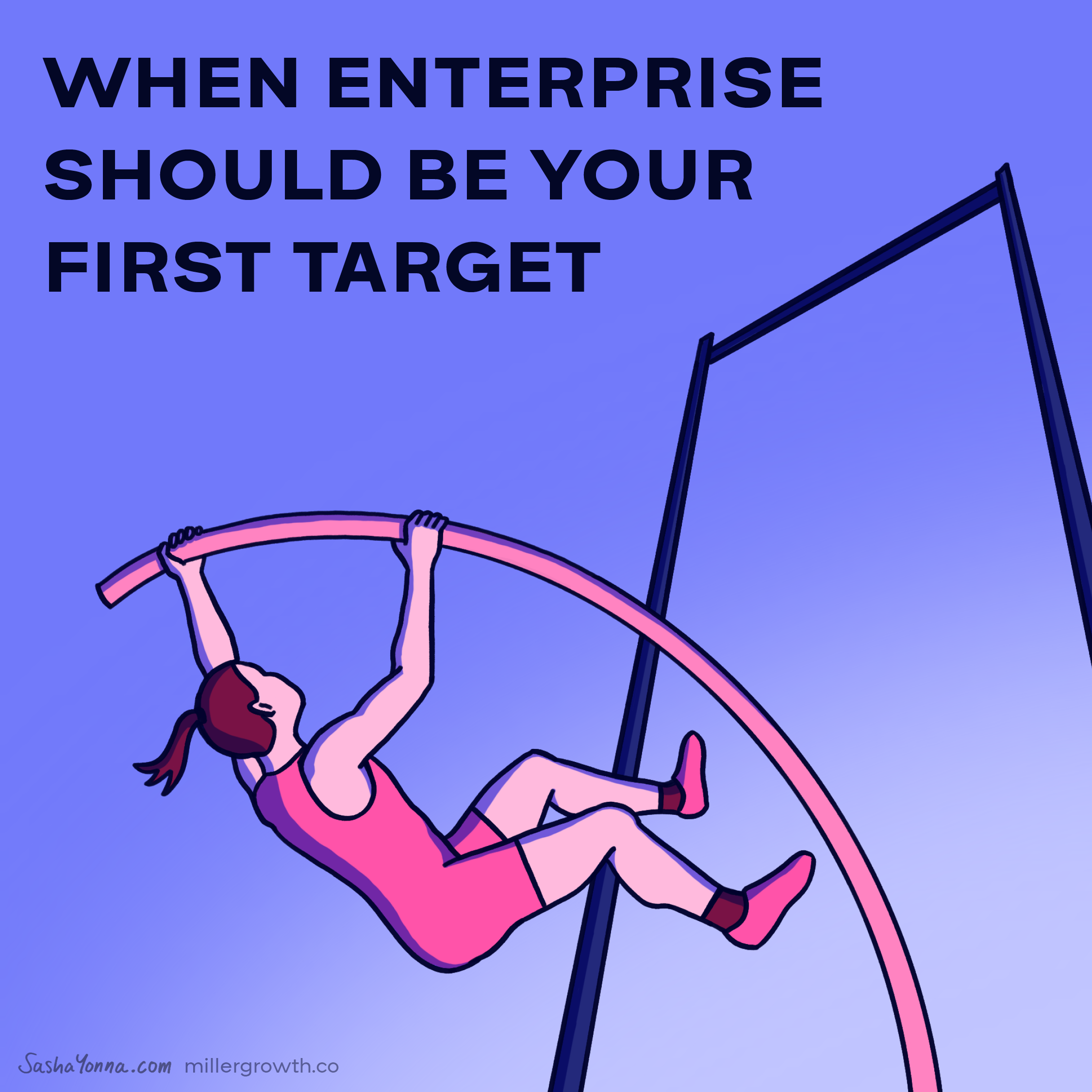
When Enterprise should be your first sales targets
Discovery, GTM & Strategy
Who is it for?
Founders and CROs deciding which segment to target first.
When to use?
When you're setting your initial go-to-market strategy and debating whether to target enterprise early.
2026-06-15
The conventional path - start small, earn logos, build credibility, then go enterprise - is right for most companies. But for some it's exactly wrong. Under the right conditions, a startup can close a tier 1 deal faster than a mid-market one.
Received wisdom is to start small and build up. Sell to smaller organisations that move faster, deploy your product early, develop a reputation. Only go to enterprise once you've proven you can do mid-market and have logos that smaller enterprises will smile on. Build your way up to the major corporations once you're already a well-established, reputable brand.
For many companies, this is great advice.
But for some, that is exactly wrong. If you can go straight to tier 1, you can close huge deals very early in your existence.
Three scenarios where it works
A genuinely step-change solution creates its own momentum. When your product offers something materially better than anything else available, senior executives with the right mindset can see it. They will pull the deal through their organisation because the value is too obvious to ignore. The bar here is high. Most products aren't step-change. But if yours is, the usual rules about credibility and logos matter much less than founders assume.
Some tier 1 enterprises actively want to buy from startups. They know real change rarely comes from large incumbents, and they know the step-change capability they need won't be delivered by their existing supplies. They acknowledge the risk and accept it.
The cost of unwinding is low. This is often missed by founders. If you're replacing core infrastructure - a new ERP, a new CRM - the implementation cost is huge and the cost of failure is catastrophic. No tier 1 will risk it on a startup. But if your product creates a new revenue stream or a new capability they didn't have before, a failure costs them nothing that they already had. The asymmetry works in your favour.
How to know whether you're really in that situation
Most founders convince themselves all three conditions hold when only one or two do. You need to ask hard diagnostic questions, and to refuse to settle for soft answers.
Don't get happy ears. If your Champion is excited, push them. How often have they actually deployed startup technology? When they last did, how did it go? Ask their peers the same questions. If your Champion has never done this before and the wider team is sceptical, you're not in the situation you hope to be in.
Ask how they handle procurement. Specifically: can they keep a strategic startup purchase out of the standard RFP process and overweight diligence? If the answer is "we'll have to see" or "procurement is procurement", the 18-month deal cycle is back on the table.
Don't assume the buying executive is the only person you need to talk to. Get to their peers. Make sure they understand the value too, so they can support the decision in leadership meetings rather than blocking it.
And ask whether their organisation has the speed to match its ambition. The executives willing to bring in startups are usually the same ones who push deals through quickly. But you need to verify this, not assume.
The payoff
Get specific, concrete answers to all of those questions and drive hard. The same executive willing to take a bet on a startup is often willing to compress a deal cycle from twelve months to three. They can workaround procurement. They get support from their peer execs. They can make it happen, fast.
If you skip the tough questions and assume mid-level interest is enough, then you're heading into the spiral of procurement doom.
Happy to discuss if useful.
If this was useful, stay close to the thinking.
Get practical GTM insights and strategic breakdowns in your inbox. Weekly.
Related Posts
GTM & Strategy, Leadership
2026-08-10
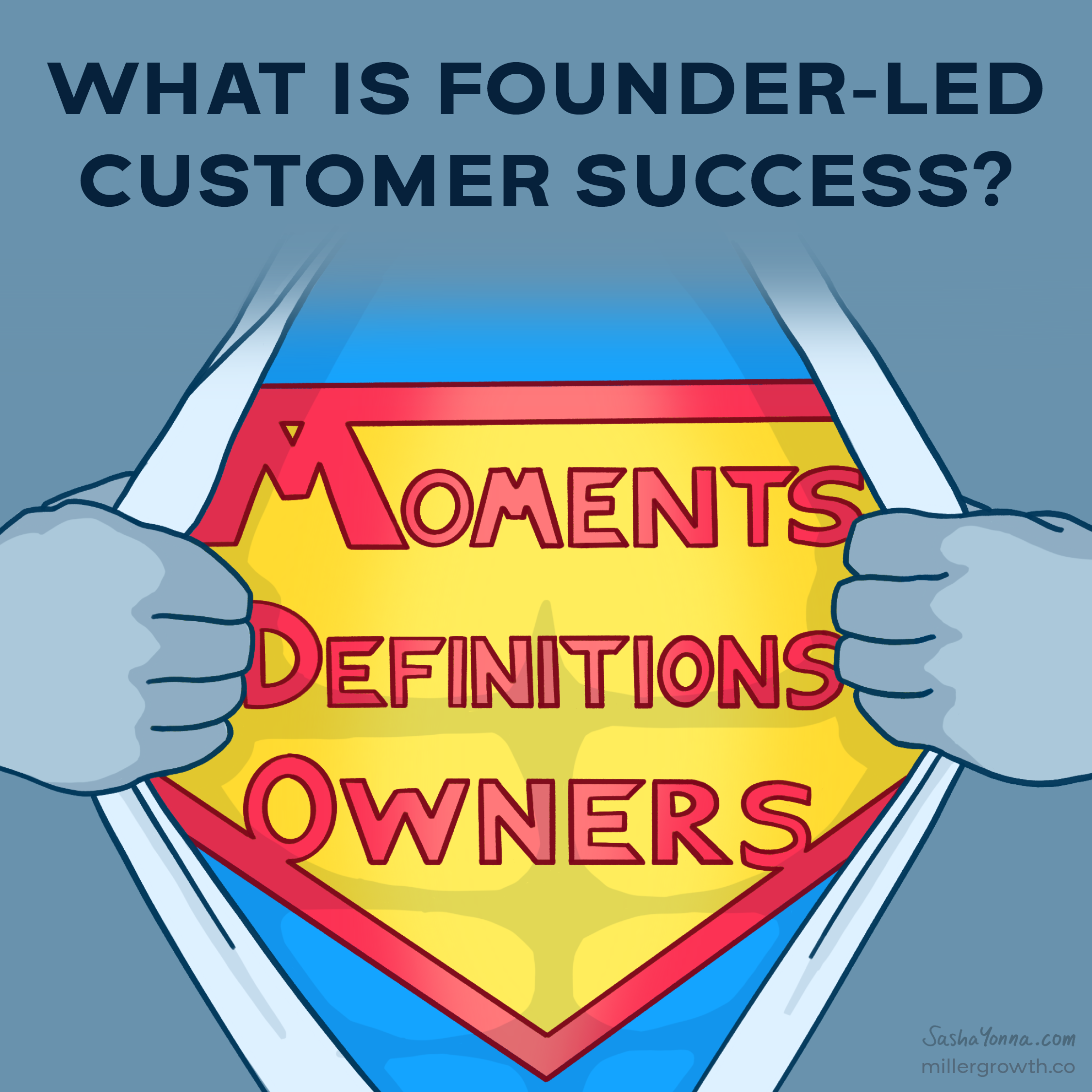
You solved Founder-led sales. What about Founder-led Customer Success?
Founder led Customer Success is the parallel of Founder led Sales, but doesn't get anything like the same level of recognition. If you are growing significantly, this will quickly become an issue, and you need to migrate Success to a repeatable process in the same way you would have done with Sales.
AI in GTM / RevOps, GTM & Strategy, Leadership
2026-08-03
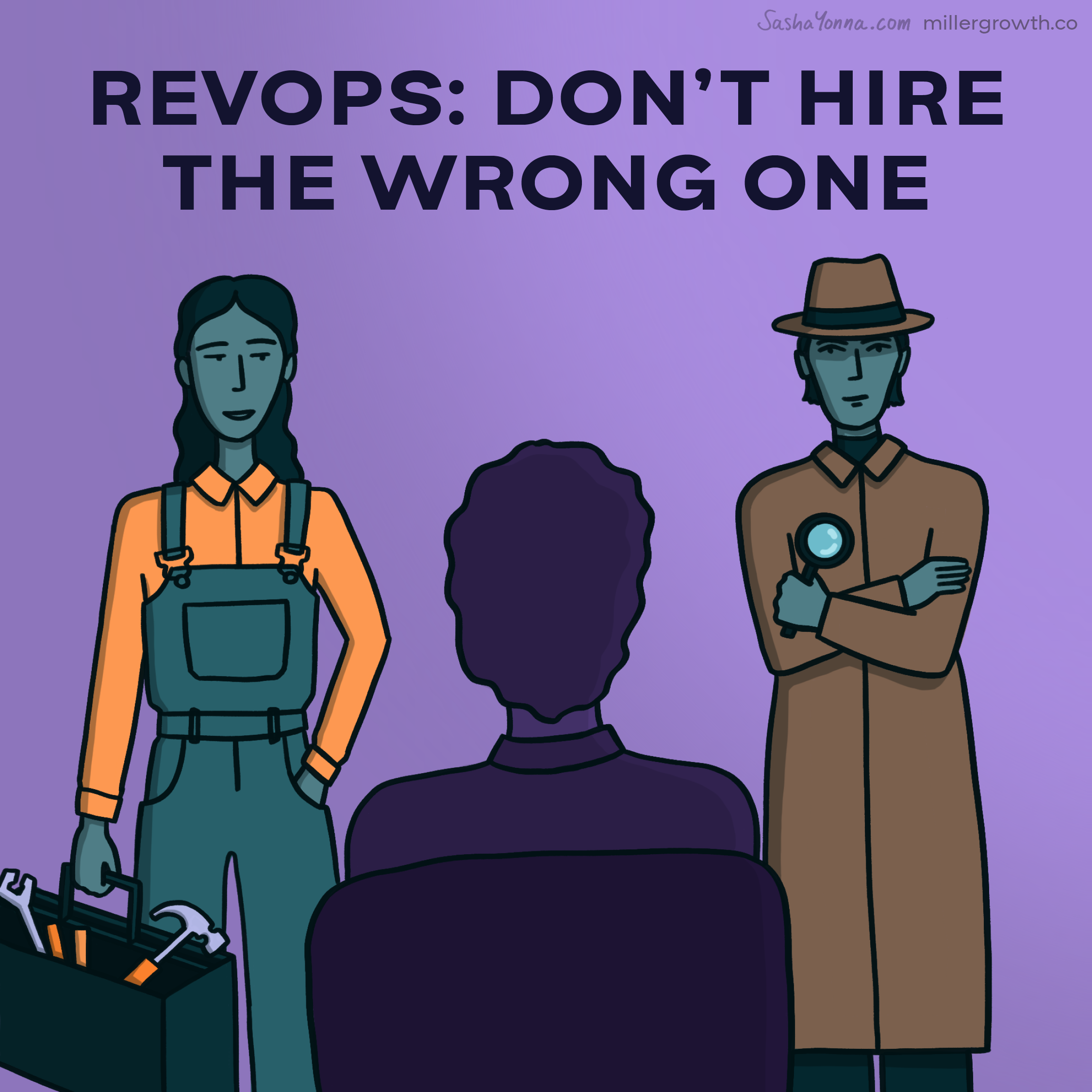
There are two RevOps hires. Most companies hire the wrong one.
Most companies hire RevOps expecting both operational rigour and commercial insight - and get neither. The two roles require different skills, and conflating them in a single job spec is one of the more expensive hiring mistakes a scaling revenue team can make.
GTM & Strategy, Leadership
Relevant resources
Tools and insights for improving your revenue engine
Demo Training
Coach winning demos

Discovery Training
Qualify deeper, faster
AE Toolkit
Hire top performers
See more resources →